
Keeping your job on electronic monitoring is not only possible, it is one of the main reasons the technology exists. Monitoring is built to let people stay employed, care for their families, and meet their court requirements at the same time, whether they are pretrial, under supervision, or fulfilling another court order. This guide is for the people doing that work and the families who count on them.
Losing a paycheck while your case is pending makes everything harder. The habits below help you hold onto the job you have.
Why Monitoring Is Built Around Your Life, Not Against It
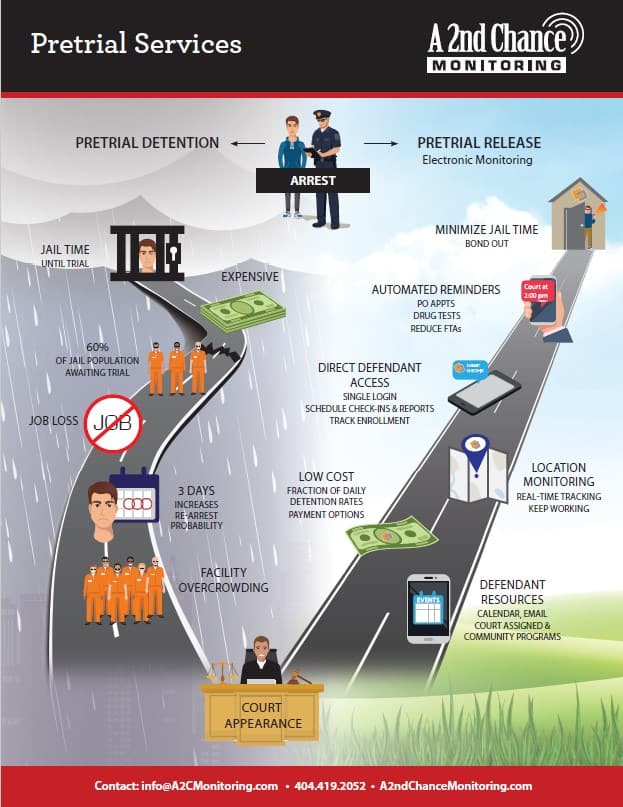
Electronic monitoring lets people keep working and stay with their families while their case is pending, instead of sitting in a jail cell. That is the point. The court overseeing your case and your monitoring provider would both rather see you keep your income than lose it.
Jail time can cost you a job in days. Monitoring is the opposite bet. It keeps you in your community so you can show up for work, pick up your kids, and keep your household running while you stay accountable.
Keeping Your Job on Electronic Monitoring: What Actually Helps
A few simple habits protect your work more than anything else. Most job problems on monitoring come from small, avoidable slips, not from the job itself.
- Get work approved early. Your schedule and work location have to be approved before you can go. If you can, get it handled before release. For the full approval process, see our guide on whether you can work or go to school while wearing an ankle monitor.
- Charge every day. A dead battery is the fastest way to turn a normal shift into a problem. Charge on a routine, the same way you charge your phone.
- Keep your supervising officer in the loop. Overtime, a shift swap, or a new location needs approval first. A quick heads-up beats an unexpected alert.
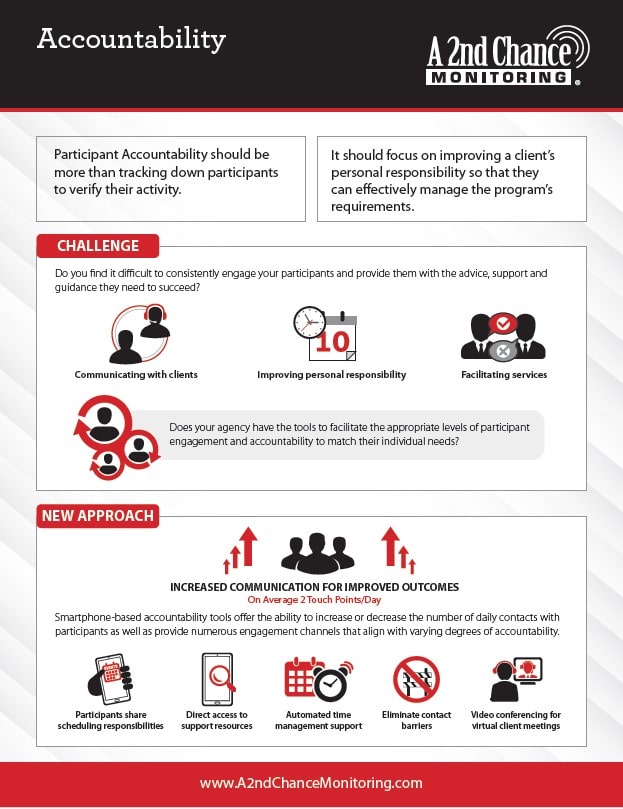
- Use the Reconnect app for check-ins. Messages, reminders, and check-ins happen on your phone, so you do not have to step off the floor to stay compliant.
- Keep your work trips direct. Detours and unapproved stops can register as deviations. Plan ahead so you are not tempted to improvise.
Do You Have to Tell Your Employer?
In many cases, no. You are usually not required to disclose monitoring to an employer, and whether to mention it is your decision. It often depends on the job, the dress code, and whether the device is visible.
If you do bring it up, keep it short and professional. Focus on your reliability and the fact that your schedule is approved. If a visible ankle unit is your main worry, ask whether a less-noticeable option fits your case.
Less-Noticeable Monitoring Options
Not every monitor is a bulky ankle bracelet. Depending on what the court orders, some options are far more discreet at work.
The BI VeriWatch is a wrist-worn GPS device that looks like a smartwatch, so it draws far less attention than an ankle unit. For alcohol-monitoring cases, Soberlink handles testing through a small handheld device on a set schedule, with no wearable at all. The standard GPS option, the Omnilink OM500, pairs with the Reconnect app for check-ins.
The court overseeing your case decides which device is ordered, so you cannot simply pick one. You can, though, ask your attorney or supervising officer whether a less-visible option is appropriate for your situation.
Supporting Your Family While You Work
Keeping your job on electronic monitoring is rarely just about you. It is about the people who depend on that income. Monitoring is meant to keep families together, not pull them apart. Being home means you can help with school pickups, medical appointments, and the daily work of caregiving, as long as those activities fit within your approved conditions.
Talk with your supervising officer early about your family responsibilities. Approved activities can often include work and other court-approved needs, but they have to be documented before they happen. The clearer your routine, the smoother it runs.
Lean on the people around you. A partner or family member who knows your schedule, helps with charging reminders, and knows who to call makes a real difference. A 2nd Chance Monitoring provides 24/7 support, so someone is always available when something unexpected comes up.
When Something Goes Wrong at Work
Batteries die. Signals drop inside big warehouses or basements. A shift changes at the last minute. None of that has to cost you your job.
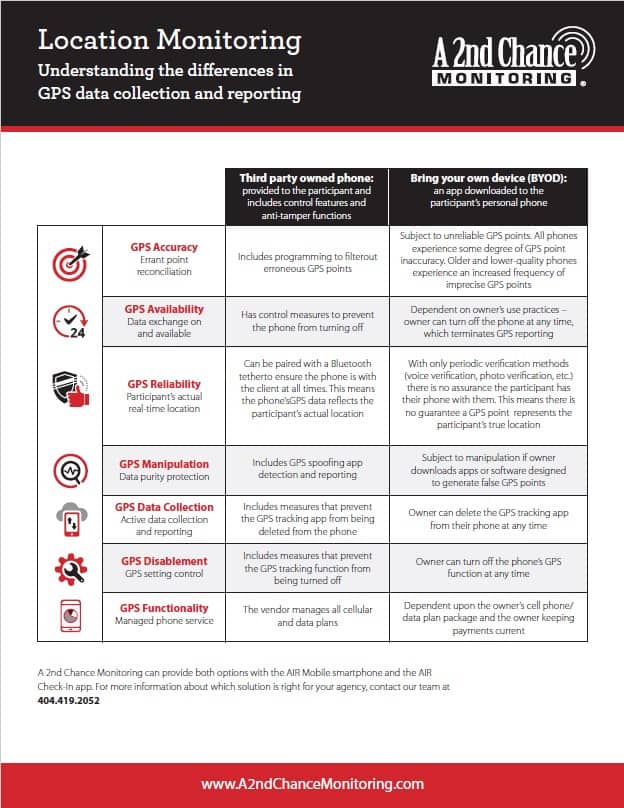
If your device loses power or signal on the clock, contact your supervising officer or A 2nd Chance Monitoring’s support line right away, and keep the device charging. A loss of signal is not automatically a violation, and honest, quick communication is what protects you. For location monitoring questions, our location monitoring page explains how the service works.
Still looking for the right job to protect? Our guide on how to find a job with a criminal record covers fair-chance employers and Georgia reentry resources. And if you or a loved one is still working toward release, our sister company A 2nd Chance Bail Bonds can help get approved activities written into the bond order from the start.
Keeping your job on electronic monitoring takes daily habits and honest communication, but it keeps your income, your family, and your future intact while your case moves forward. That is what monitoring, done right, is for.
Frequently Asked Questions
Can I keep my job while on electronic monitoring?
Do I have to tell my employer I am on a monitor?
Is there a monitor that does not look like an ankle bracelet?
What happens if my battery dies during a shift?
Can monitoring work around childcare and family responsibilities?
About A 2nd Chance Monitoring
We believe everyone deserves a second chance. A 2nd Chance Monitoring provides alcohol monitoring, GPS tracking, and communication services to help individuals stay accountable while they navigate legal requirements or work toward personal goals. With multiple locations across Georgia, Alabama, and Mississippi, our team offers professional support and reliable technology you can count on 24/7. Whether you’re fulfilling a court order or simply looking for structure during a difficult time, we’re here to help. Get in touch with us today.
The information in this article is provided for general educational purposes only and does not constitute legal advice. Monitoring requirements, approved activities, and employer rules vary by county, court, employer, and individual case. If you have specific legal questions about your situation, please consult a licensed attorney in Georgia. A 2nd Chance Monitoring provides electronic monitoring services and does not provide legal representation or legal advice.