

Participants & families

You've been ordered onto a monitor.

Whatever the paperwork says, the next step is the same: call us and read it out. We’ll tell you which device it requires, what it will ask of you, and where to go.

house arrest Georgia

Phones answered

24/7/365

Offices

10+

Installation

Tool-free

Cost to ask

Nothing
Start here

What do you need to know?

Four guides that answer the questions we get most. Start with the one that matches where you are.

01

How monitoring works

What the devices do, who sees the data, and what your order controls.

02

Your first month

Charging habits, check-ins, and the mistakes that cause most early violations.

03

Work, school and family

How approved schedules work so you can keep your job and your routine.

04

When an alert fires

Not every alert means trouble. What triggers them and exactly what to do.

How it works

Three steps.

Most of this happens faster than people expect.

1

Contact Us

Call or message us to get started. The initial paperwork and arrangements can be handled remotely, right from your phone.

2

We Install

We install your monitoring device at the jail or arrange an installation based on your circumstances.

3

We Monitor

Once your device is installed and activated, we begin monitoring.

Your first week

Six Steps to Help Meet Court Ordered Monitoring Requirements

User Tips from A 2nd Chance Monitoring
ankle monitor malfunction loses signal

Getting started

Start with your paperwork. The court or agency that ordered monitoring may run it in-house or name a specific provider. If your paperwork does not say, call A 2nd Chance Monitoring at 404-419-2052 and read it to us. We will tell you which device it requires and what to do next. Phones are answered 24/7.

A 2nd Chance Monitoring provides the electronic monitoring devices and services that courts and supervising agencies require. That includes GPS location monitoring, alcohol monitoring, and app-based monitoring for conditions like pretrial release and diversion programs. We serve participants in Georgia and Alabama.

How monitoring works

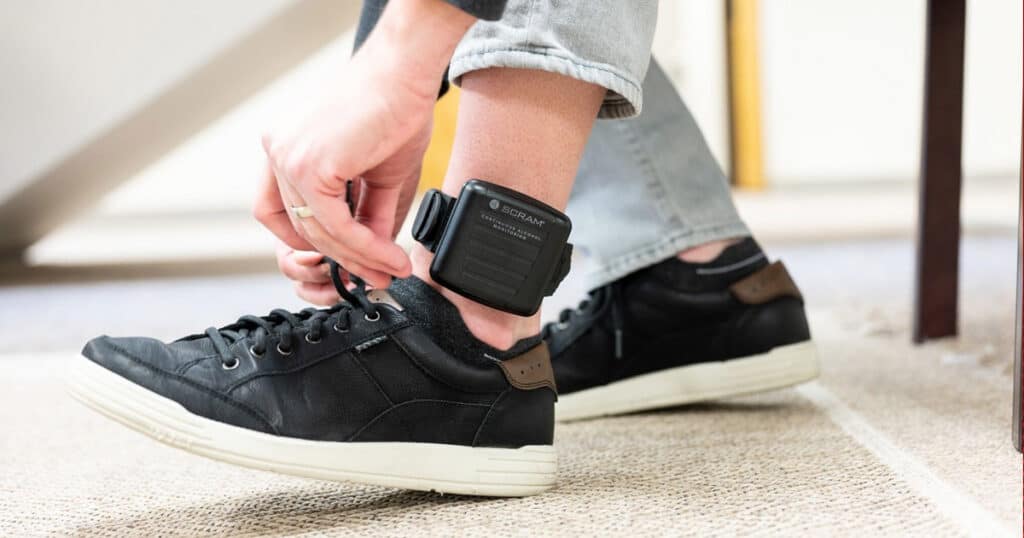
A GPS ankle monitor uses GPS to track your location and shares that data with authorized parties, such as your case manager or supervising officer. Your court order sets the rules the device checks against, like approved places and schedules. Alcohol monitoring uses separate equipment that shows you are not drinking during your program.

Not always. Some programs use a phone-based app instead of a bracelet. Which one you get depends on what your court order or supervising agency requires, not on preference.

Only if it is an alcohol monitoring device. A GPS ankle monitor tracks location and does not test for alcohol. If your order includes alcohol monitoring, you will be given equipment built for that purpose. We will tell you exactly which device you have and what it measures.

No. The monitor tracks location and device status. It does not record your conversations. Some devices can receive a tone or message from the monitoring center, and we will show you how yours works when it is fitted.

Daily life on a monitor

Yes, you can shower, and you should, to keep the skin around the bracelet clean. Rain is fine too. Do not put the monitor underwater in a pool, hot tub, or bathtub unless we have told you your device allows it.

Charge it every day, at the same time each day. Many people plug in when they charge their phone. Use the plug and cord provided. A full charge takes a few hours, and we will tell you how long your device needs.

Your court order sets the rules. Approved places usually include home, work, court, and counseling. Bring your paperwork and we will read it with you so you know your schedule before you leave.

That depends on your court order, not on the device. Some orders limit who you can have contact with. Check your paperwork, and ask your supervising officer or attorney before assuming a visit is allowed.

Only with approval. Travel outside your approved area needs permission from the court or your supervising officer before you go. Call us once it is approved so we can make sure your device and schedule are set for the trip.

Yes. The device shows you are following the rules, but it does not replace check-ins or anything else you were ordered to do.

Not during an MRI. Contact your supervising agent before the appointment to arrange for the bracelet to be removed, and ask about any other requirements. For other procedures, call our office if you are unsure.

No. Going through a metal detector or security checkpoint with a monitor is no different than carrying a cell phone or wearing jewelry.

Cost

Most people pay a one-time installation fee plus a daily monitoring fee. The amount depends on the device and what your court order requires. Call 404-419-2052 with your paperwork and we will tell you the exact cost before you come in. Asking costs nothing.

Accordion Content

Alerts and problems

Call A 2nd Chance Monitoring right away at 404-419-2052. We will troubleshoot the problem with you and replace the device if needed.

Do not panic. Not every alert means trouble. Follow the instructions you were given at your fitting and call us at 404-419-2052 so we can tell you what triggered it and what to do.

Plug in as soon as you get a low battery warning. A dead battery can be reported as a violation, so do not wait. If you cannot get to your charger, call us right away at 404-419-2052.

Call 404-419-2052 or email [email protected]. Phones are answered 24 hours a day, every day of the year.

Installation FAQs

At one of our offices / at the jail before release / either, depending on your order. Call 404-419-2052 and we will tell you which applies to you.

Bring your court paperwork and a photo ID. [Anything else, such as payment or a charger outlet check].

Installation is tool-free and takes about [X] minutes. The device is fitted and tested, and your questions are answered before you leave.

[Often yes]. Offices are open Monday through Friday, 8:00 AM to 5:00 PM, by appointment. Call first and we will confirm whether we can fit you today.

What to expect

Know what's coming.

How Much Does an Ankle Monitor Cost in Georgia, and Who Pays?

Ankle monitor cost in Georgia usually falls into one of three buckets: the court pays, a program pays, or the person wearing the device pays. Which bucket you land in matters more than the device itself. For people who pay on their own, monitoring typically runs between $8 and $15 a day, depending on the type of monitoring and how long it lasts.

Read More →
Already wearing a monitor?

Get the app, check your schedule, or reach support without filling in a form.