GPS monitor alerts happen for specific reasons. Whether you are wearing an ankle monitor for pretrial release, probation, or court-ordered supervision, knowing what triggers these alerts can help you stay compliant and avoid unnecessary violations. Understanding the system keeps you in control of your situation.
Electronic monitoring devices track location 24/7. They send real-time data to supervision officers. When certain conditions are met, the device generates an automatic notification. Some alerts are serious. Others are minor technical issues. This guide breaks down exactly what causes each type of alert.
Geographic Boundary Violations
The most common GPS monitor alerts come from crossing virtual boundaries. These digital perimeters are set up around specific locations you must stay in or avoid.
Inclusion Zone Alerts
Inclusion zones are places where you must be during certain times. Your home is the most common inclusion zone. Other approved locations might include your workplace, a treatment facility, or a family member’s residence.
When you leave an inclusion zone without permission, an immediate alert goes to your supervising officer. This requires investigation and a response from the monitoring team.
Common inclusion zone violations include:
- Leaving home before your approved departure time
- Not returning home by curfew
- Leaving an approved location like work or a treatment center early
- Forgetting to notify your case manager about schedule changes
Exclusion Zone Alerts
Exclusion zones are areas you cannot enter under any circumstances. These might include a victim’s residence, schools, parks, or specific businesses. Courts set these restrictions based on case circumstances.
Entering an exclusion zone triggers an immediate alert. There is no grace period or buffer time. Modern systems allow time-based scheduling. This means alerts only generate during specific prohibited periods if the court orders time restrictions.
Exclusion zone violations are taken very seriously. They often result in violation hearings and can lead to the revocation of your monitoring status.
Understanding GPS Monitor Alerts from Device Tampering
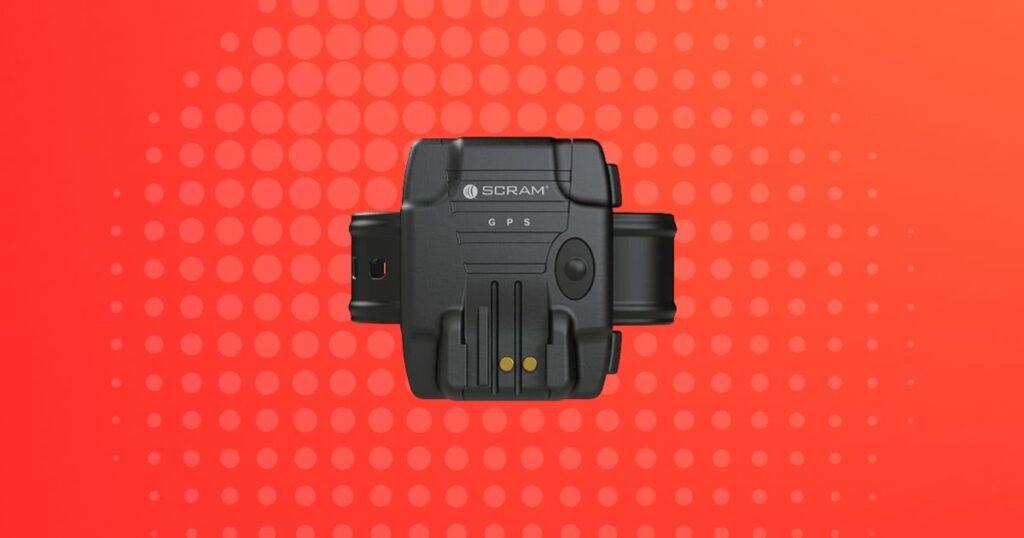
GPS ankle monitors contain sophisticated tamper detection technology. These security features protect the integrity of the monitoring system.
How Tamper Detection Works
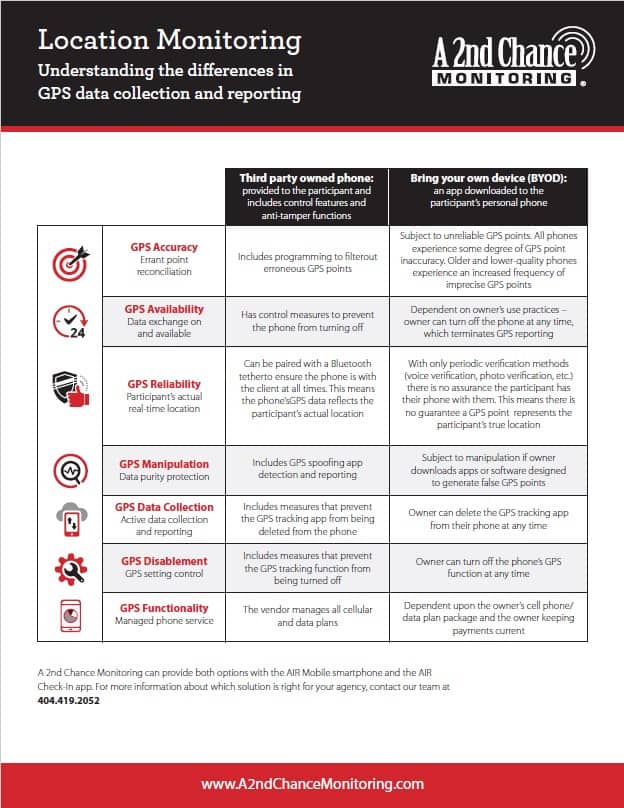
Modern devices use magnetic switches and Hall Effect Sensors to detect interference. Any attempt to remove or disable the device triggers an alert.
Tampering actions that cause alerts include:
- Cutting or damaging the strap
- Attempting to remove the device
- Shielding the GPS signal (wrapping in foil or other materials)
- Trying to open the device casing
- Submerging the device in water beyond its rating
In most states, removing or tampering with an ankle monitor is a separate criminal offense. This can result in additional jail time on top of your original charges.
Drop Alerts
Drop alerts are specialized anti-tamper alarms. They trigger when a GPS tracker detects that it has been physically removed from its position. The device uses spring-loaded switches or light sensors on the underside that sense detachment.
When triggered, the tracker sends an immediate notification through cellular networks, app notifications, or automated phone calls. An internal backup battery ensures the alert transmits even if someone cuts the power source.
Signal Interference and Connection Issues
GPS signals can be affected by physical structures and electronic interference. Understanding these technical factors helps you avoid unintentional violations.
What Causes Signal Loss
Several environmental factors can block RF signals:
- Thick concrete walls or metal structures
- Basement apartments with limited signal penetration
- Underground parking garages
- Buildings with heavy metal construction
- Areas with poor cellular coverage
Brief signal losses lasting a few minutes usually do not trigger alerts. Extended signal loss of 30 minutes or more generates a connection alert requiring investigation.
GPS Jamming and Spoofing
Modern monitoring systems can detect deliberate signal interference. GPS jamming devices that disrupt reception trigger alerts. GPS spoofing attempts (sending fake location signals) are also detected by advanced systems.
Attempting to jam or spoof GPS signals is illegal and results in serious consequences, including immediate arrest warrants.
Curfew and Schedule Violations
Electronic monitoring allows continuous curfew verification. Your supervising officer receives notifications for all curfew violations.
Common Curfew Violations
Standard curfew hours are typically 7pm to 6am, though your specific times may differ based on your case. Violations occur when the device detects you are outside your approved location during restricted hours.
Frequent curfew violation triggers include:
- Returning home late due to traffic
- Forgetting to request schedule modifications
- Work schedule changes not communicated to your case manager
- Emergency situations not reported in time
Violations of one hour or more are considered serious and typically result in violation reports to the court.
Travel Route Monitoring
GPS systems track your exact route between approved locations. If you deviate from approved travel routes (such as making an unapproved stop between home and work), the GPS records this deviation.
Most systems have a tolerance buffer of approximately one-quarter mile. Stopping for gas on your normal route is usually acceptable. Making significant detours is not.
Technical and Battery Alerts
Proper device maintenance prevents technical violations. Daily charging is a critical compliance requirement.
Low Battery Warnings
GPS monitors track their own power status. They send low battery alerts before shutting down. Battery life depends on tracking intervals, cellular coverage quality, and GPS signal availability.
Most devices require approximately 2 hours of charging per day. You cannot leave your approved residence while the device is charging. This daily charging requirement is a compliance factor many people overlook.
Important battery facts:
- Device failure to charge properly is treated as a violation
- The monitoring system tracks when you last charged and for how long
- Equipment failure can be verified through system data
- Faulty charging equipment should be reported immediately
Connection Alerts
When a GPS tracker loses cellular or GPS signal for extended periods, connection alerts trigger. These may indicate you are in an area with poor coverage or that signal interference is occurring.
If you frequently experience connection issues, contact your monitoring provider. Address potential interference problems proactively to avoid unnecessary alerts. You can learn more about electronic monitoring services and how to maintain proper compliance.
How Violations Are Handled
Not all alerts carry the same weight. Monitoring staff investigate alerts immediately and determine appropriate responses.
Alert Response Categories
- Technical violations (single battery death, brief signal loss) typically result in warnings. These are usually resolved with a phone call to verify your location and circumstances.
- Serious violations (exclusion zone entry, curfew violation by one hour or more) result in violation reports to the court. Your supervising officer documents these incidents for judicial review.
- Severe violations (device tampering, removal, or new arrests) result in immediate arrest warrants. Revocation of monitoring status is likely in these cases.
Investigation Process
When apparent violations occur, monitoring staff take several actions:
- Call you to determine what happened
- Request bench warrants if violations are confirmed
- Email warrants to law enforcement
- Notify crime victims when appropriate
- Provide law enforcement with the last known GPS coordinates
Tips for Avoiding Unnecessary Alerts
Most GPS monitor alerts can be prevented with proper planning and communication. Following these practices keeps you compliant and reduces stress.
Daily Habits That Help
Build these routines into your day:
- Charge your device at the same time every day
- Allow extra travel time for traffic and delays
- Keep your case manager updated on schedule changes
- Report equipment problems immediately
- Stay away from areas with known signal issues
Communication Is Key
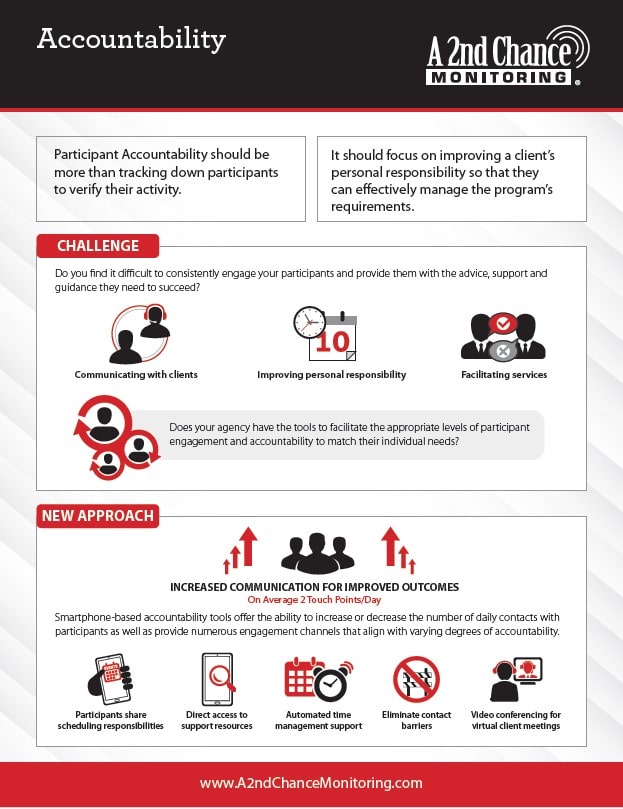
Many violations result from simple communication failures. Contact your monitoring provider before situations become problems. If you anticipate any schedule changes, request modifications in advance.
If you have questions about your monitoring requirements or need assistance, reach out to your monitoring team. Proactive communication prevents most compliance issues.
The Purpose of GPS Monitoring
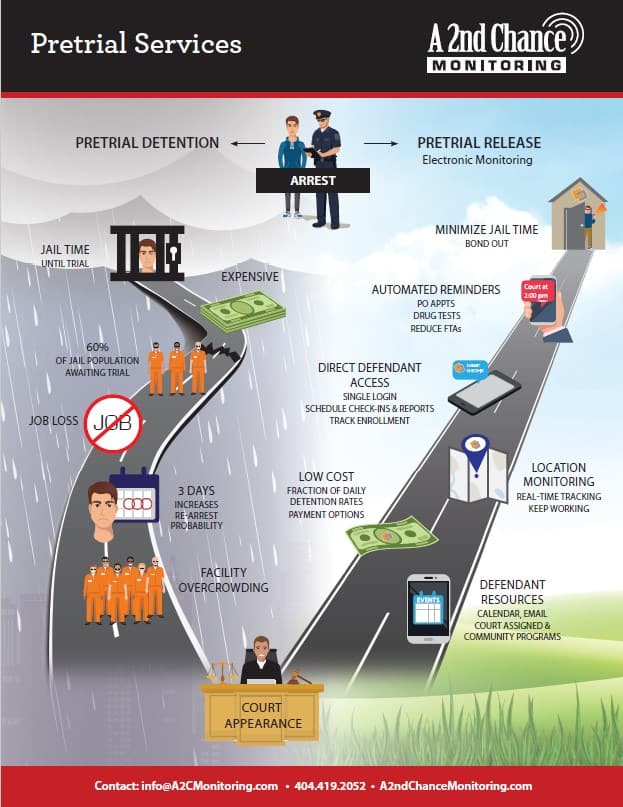
GPS monitoring serves as an alternative to incarceration. It allows you to maintain employment, stay with family, and participate in treatment programs while awaiting trial or completing supervision requirements.
Understanding GPS monitor alerts helps you successfully complete your monitoring period. The system tracks compliance with court-ordered restrictions while giving you the opportunity to demonstrate accountability.
Electronic monitoring creates detailed location records accessible to probation officers and prosecutors. This transparency works in your favor when you maintain consistent compliance. It shows the court you can be trusted with supervised freedom.
For more information about pretrial services and how monitoring works with the bail process, visit A 2nd Chance Bail Bonds.
About A 2nd Chance Monitoring
We believe everyone deserves a second chance. A 2nd Chance Monitoring provides alcohol monitoring, GPS tracking, and communication services to help individuals stay accountable while they navigate legal requirements or work toward personal goals. With multiple locations across Georgia and Alabama, our team offers professional support and reliable technology you can count on 24/7. Whether you’re fulfilling a court order or simply looking for structure during a difficult time, we’re here to help. Get in touch with us today.
Disclaimer
This article is for educational purposes only and does not constitute legal advice. GPS monitoring requirements, alert protocols, and violation consequences vary by jurisdiction, court order, and individual case circumstances. The information provided here offers general guidance about how electronic monitoring systems typically function, but may not reflect the specific terms of your monitoring agreement or court order.
Always follow the instructions provided by your supervising officer and monitoring provider. If you have questions about your specific monitoring conditions, contact your case manager, attorney, or the court directly. Laws and monitoring technologies change over time, so verify current requirements with appropriate legal or supervision professionals.
A 2nd Chance Monitoring provides this information as a public resource. Reading this article does not create a client relationship with our company.