Most people have heard of a breathalyzer. Fewer people know what a SCRAM CAM is before they are ordered to wear one.
Here is what it is, how it works, and what to know going into it.
The Short Version
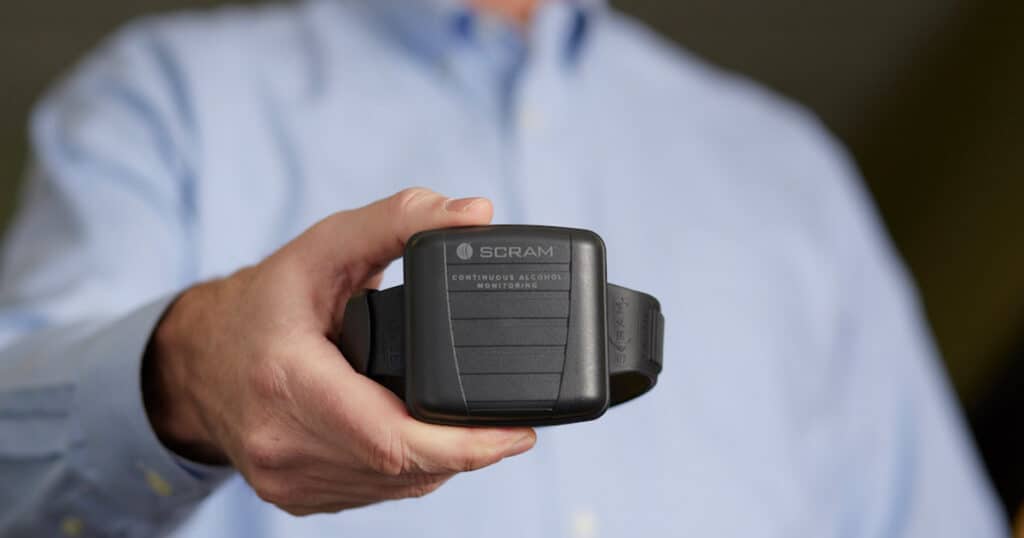
The SCRAM CAM is an ankle bracelet that tests for alcohol consumption through the skin. It runs on its own schedule, taking a reading every 30 minutes, 24 hours a day. You do not blow into it. You do not have to do anything to initiate a test. It just runs.
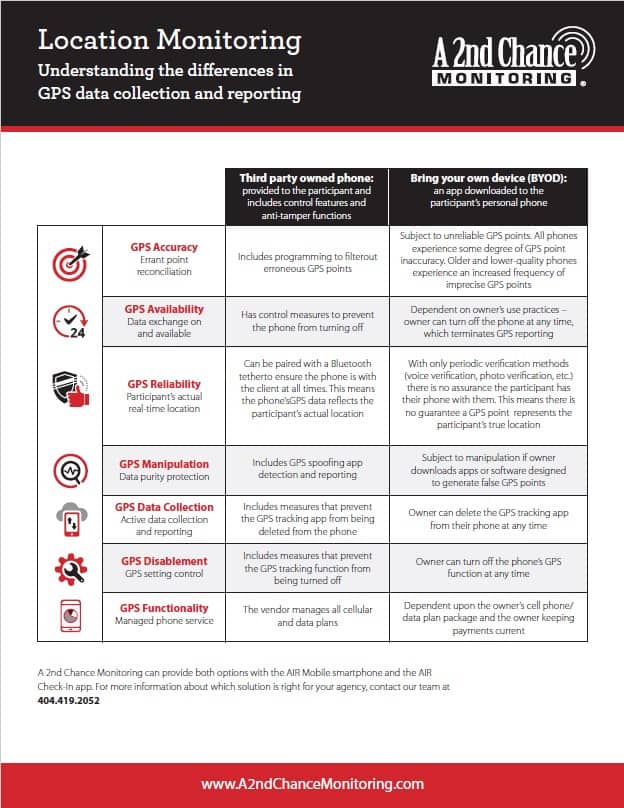
SCRAM stands for Secure Continuous Remote Alcohol Monitoring. It is not a GPS device, and it does not track location. It has one job: detecting alcohol. A 2nd Chance Monitoring uses the SCRAM CAM as part of its alcohol monitoring services.
How Transdermal Testing Works
When someone drinks alcohol, most of it is processed by the body. A small amount gets excreted through the skin as perspiration. The SCRAM CAM detects this by sampling the air just above the skin at the ankle every 30 minutes using an electrochemical fuel cell, the same type used in law enforcement breathalyzers.
One thing worth understanding: transdermal readings are not the same as breath or blood readings. Breath and blood alcohol drop off relatively quickly, sometimes within a few hours. Transdermal readings can stay elevated longer, which means the SCRAM CAM can detect a drinking event that a next-day breath test might miss entirely.
Who Gets Ordered to Wear It?
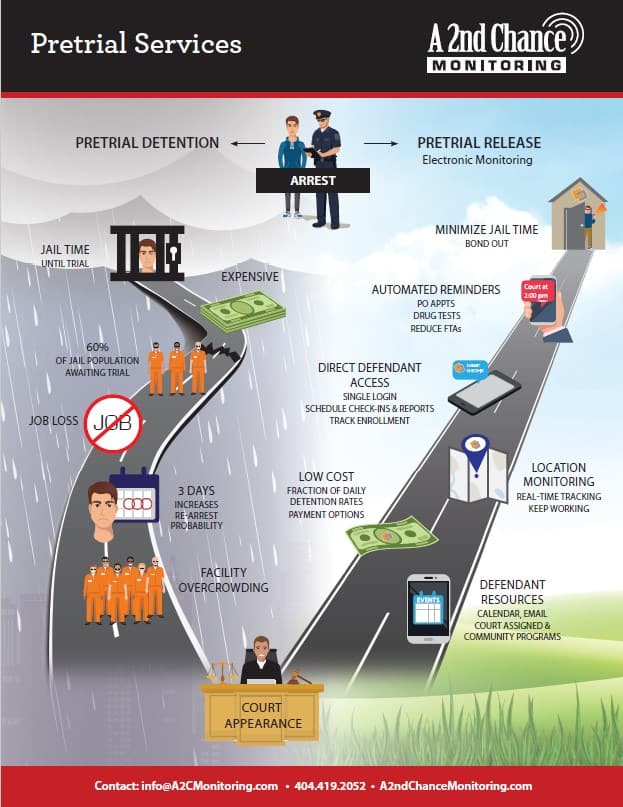
Courts order continuous alcohol monitoring when abstinence from alcohol is a condition of release. Common situations include pretrial release for DUI or alcohol-related charges, cases involving domestic violence where alcohol is a factor, specialty court programs, and some custody situations where a parent is ordered to abstain from alcohol. Some people also choose to wear it voluntarily to document sobriety and rebuild trust with the court or family members.
How Results Get Reported
The bracelet stores readings and transmits the data to a base station, which uploads it to the SCRAM monitoring platform. When an alert is generated, trained SCRAM analysts review it before it goes to the supervising authority. Alerts are not automatically escalated. A human looks at the data first and confirms whether it represents an actual drinking event.
The system is also built to distinguish between alcohol consumed by the wearer and environmental sources like cleaning products or hand sanitizer. A positive reading from drinking looks different in the data than incidental environmental contact.
What Single-Source Admissibility Means
SCRAM CAM data meets the same scientific admissibility standards as breath, blood, and urine tests. It is the only continuous alcohol monitoring product that does not require a second confirmation test to support a drinking event in court. If you have questions about how monitoring results might affect your specific case, that is a conversation for your attorney.
Tamper Detection
The SCRAM CAM has built-in tamper detection. If something is placed between the device and the skin to block the sensor, or if the device is removed or compromised, an alert is generated. Do not attempt to block, remove, or defeat the sensor. If the fit is causing a problem, contact A 2nd Chance Monitoring. There is a process for addressing legitimate comfort issues.
Is It Waterproof?
The SCRAM CAM is water-resistant. Showering is fine. Extended submersion, baths, swimming, and hot tubs should be avoided unless your supervising officer has specifically confirmed it is permitted. Ask before the situation comes up, not after.
How Is It Different From Soberlink?
Both are alcohol monitoring tools. The approach is completely different. SCRAM CAM is worn continuously and tests passively through the skin every 30 minutes with no action from the wearer. Soberlink is a handheld device the wearer actively blows into at scheduled intervals. Courts choose between them based on the individual case. Both are available through A 2nd Chance Monitoring.
Frequently Asked Questions
Will hand sanitizer or mouthwash cause a positive reading?
How long after drinking can alcohol be detected?
What happens when an alert is triggered?
Can I work normally while wearing it?
Does A 2nd Chance Monitoring use the SCRAM CAM?
About A 2nd Chance Monitoring
We believe everyone deserves a second chance. A 2nd Chance Monitoring provides alcohol monitoring, GPS tracking, and communication services to help individuals stay accountable while they navigate legal requirements or work toward personal goals. With multiple locations across Georgia, Alabama, and Mississippi, our team offers professional support and reliable technology you can count on 24/7. Whether you’re fulfilling a court order or simply looking for structure during a difficult time, we’re here to help. Get in touch with us today.
The information in this article is provided for general educational purposes only and does not constitute legal advice. Monitoring requirements, device conditions, and supervision rules are governed by individual court orders and the instructions of your supervising officer. Always follow the specific instructions provided by your supervising officer and the court overseeing your case. A 2nd Chance Monitoring provides electronic monitoring services and does not provide legal representation or legal advice.