If you or someone you know has been ordered to wear an electronic monitoring device, you may have heard the name OM500. It is one of the more commonly used GPS ankle monitors in courts across Georgia and beyond, and most people who are fitted with one have never heard of it before that moment.
This article explains what the OM500 is, how it works, and what daily life looks like while wearing one. No technical jargon. Just a straightforward breakdown of what to expect.
What Is the Omnilink OM500?
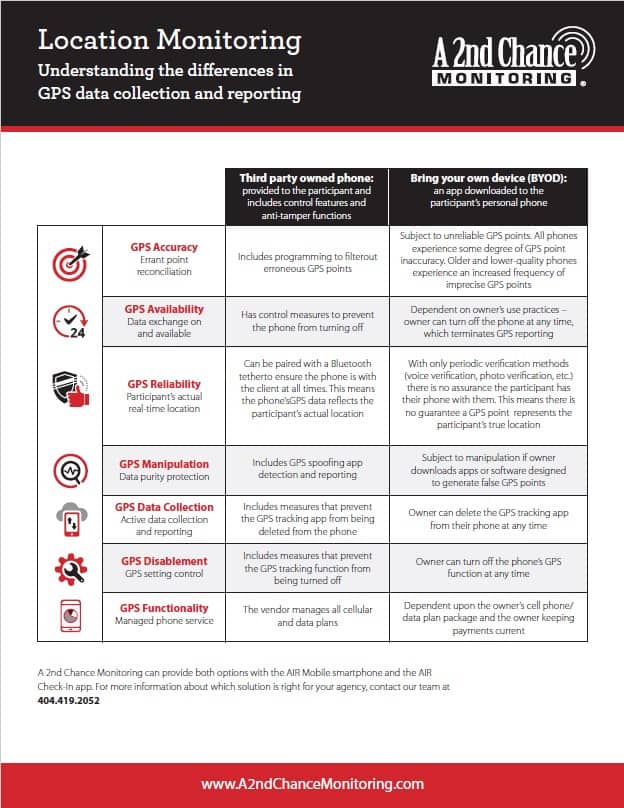
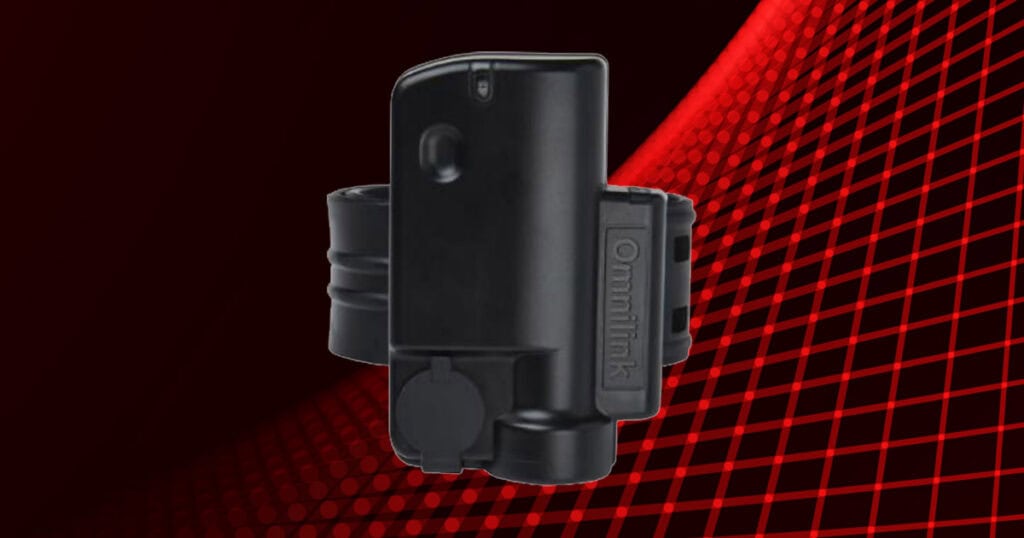
The Omnilink OM500 is a one-piece GPS ankle monitoring bracelet. It is worn on the ankle 24 hours a day and tracks location continuously using a combination of GPS, Wi-Fi, and cellular technology. That combination means the device can determine location both outdoors and in most indoor environments, including areas where GPS signal alone might be limited.
The device communicates in real time with monitoring software used by the supervising agency. A 2nd Chance Monitoring uses the OM500 as part of its GPS monitoring program for clients ordered to electronic monitoring as a condition of their release.
Who Is Ordered to Wear the OM500?
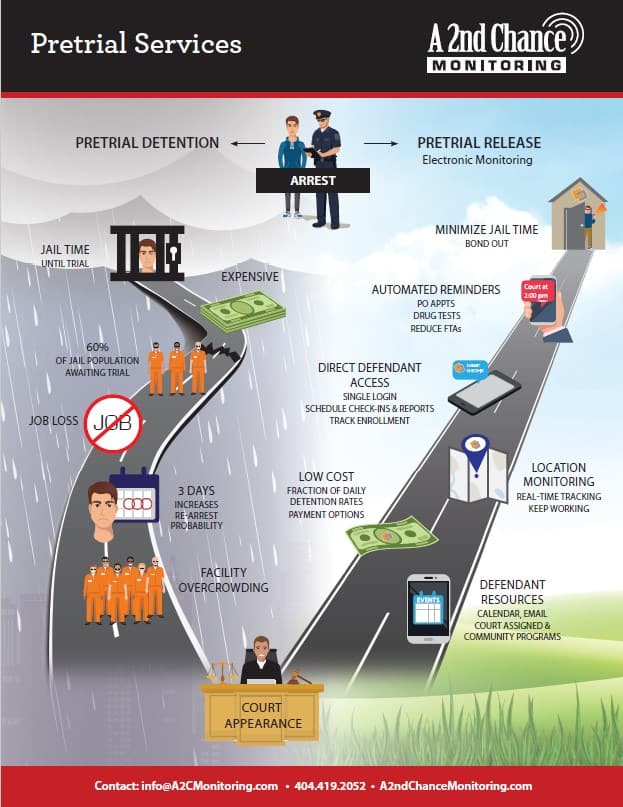
Courts order electronic monitoring for a range of situations. A person may be required to wear a GPS device as a condition of pretrial release, meaning they have not been convicted of anything, and the device allows them to remain in the community while their case is pending. Courts may also order monitoring as a condition associated with other legal requirements.
The supervising officer and the judge overseeing your case determine whether GPS monitoring is required and which device is assigned. A 2nd Chance Monitoring works directly with courts and supervising officers across Georgia, Alabama, and Mississippi.
How Does the OM500 Work?
The OM500 uses GPS satellites, Wi-Fi signals, and cellular networks together to pinpoint location. This multi-technology approach gives more consistent tracking than GPS alone, particularly in dense urban areas, inside buildings, or in locations with limited satellite visibility.
The device sends location data at regular intervals to a cloud-based monitoring platform. Supervising officers can view a client’s location history, movement patterns, and zone compliance through that platform. If the client enters a restricted area or leaves an approved zone, an alert can be generated automatically.
The monitoring agency can send alerts directly to the device in the form of vibrations, tones, or audio messages. The client acknowledges these by pressing a button on the device. The device does not have listening capability and cannot be used to speak back to the monitoring agency.
What Is the Fiber Optic Strap?
The strap on the OM500 contains an embedded fiber optic line. This is the tamper detection system. If the strap is cut or significantly compromised, the fiber optic line is disrupted and an alert is sent immediately to the monitoring center.
This design is specifically intended to reduce false tamper alerts. The fiber optic system is continuous, which means it does not rely on a simple mechanical switch that can be triggered by normal movement.
Charging the OM500
The OM500 uses a magnetic charger that connects to a port on the front of the device. Charging typically takes around 90 minutes to complete. The device has a battery life of 35 or more hours on a full charge, though actual battery life can vary depending on tracking frequency and cellular activity.
Your supervising officer or A 2nd Chance Monitoring will give you specific charging instructions. Missing charges or allowing the battery to run low will generate alerts, so staying consistent with charging is one of the most important daily habits while on monitoring.
Is the OM500 Waterproof?
The OM500 is rated IP67, meaning it is water-resistant and can handle brief submersion at shallow depth. Showering with the device is generally fine. Extended submersion, such as bathing in a tub for long periods or swimming, should be avoided unless your supervising officer has specifically confirmed it is permitted under your monitoring conditions.
When in doubt, ask your supervising officer directly rather than assuming.
What Triggers an Alert?
The OM500 and its monitoring platform can generate alerts for several reasons:
- Entering a restricted zone or leaving an approved area
- Low battery that has not been charged
- Loss of cellular or GPS signal for an extended period
- Strap tamper detection
- Failure to acknowledge a communication from the monitoring center
Not every alert means a violation has occurred. Signal loss in certain buildings is common and does not automatically constitute non-compliance. If you experience technical issues with the device, contact your supervising officer and A 2nd Chance Monitoring promptly.
What to Do on Your First Day
When you are enrolled with A 2nd Chance Monitoring, a staff member will fit the device, walk you through how it works, explain your specific monitoring conditions, and answer questions. Before you leave, make sure you understand:
- What zones you are approved to be in and when
- Your charging schedule
- Who to contact if the device malfunctions
- What to do if you receive an alert from the device
A 2nd Chance Monitoring is available 24 hours a day if issues arise outside of normal business hours.
Frequently Asked Questions
Can I shower with the OM500?
What happens if the battery dies?
Will the device show my exact location at all times?
What happens if I get a signal loss alert?
Who do I call if there is a problem with my device?
About A 2nd Chance Monitoring
We believe everyone deserves a second chance. A 2nd Chance Monitoring provides alcohol monitoring, GPS tracking, and communication services to help individuals stay accountable while they navigate legal requirements or work toward personal goals. With multiple locations across Georgia, Alabama, and Mississippi, our team offers professional support and reliable technology you can count on 24/7. Whether you’re fulfilling a court order or simply looking for structure during a difficult time, we’re here to help. Get in touch with us today.
The information in this article is provided for general educational purposes only and does not constitute legal advice. Monitoring requirements, device conditions, and supervision rules are governed by individual court orders and the instructions of your supervising officer. Always follow the specific instructions provided by your supervising officer and the court overseeing your case. A 2nd Chance Monitoring provides electronic monitoring services and does not provide legal representation or legal advice.