When most people picture electronic monitoring, they picture an ankle bracelet. But courts and monitoring agencies have more options than that. Wrist-worn monitoring devices are an alternative that courts may consider for certain individuals, and they work differently than ankle monitors in some important ways.
This article explains how wrist-worn monitoring works, who it may be appropriate for, what the tradeoffs are compared to ankle monitoring, and what to expect if this type of device is ordered.
What Is a Wrist-Worn Monitoring Device?
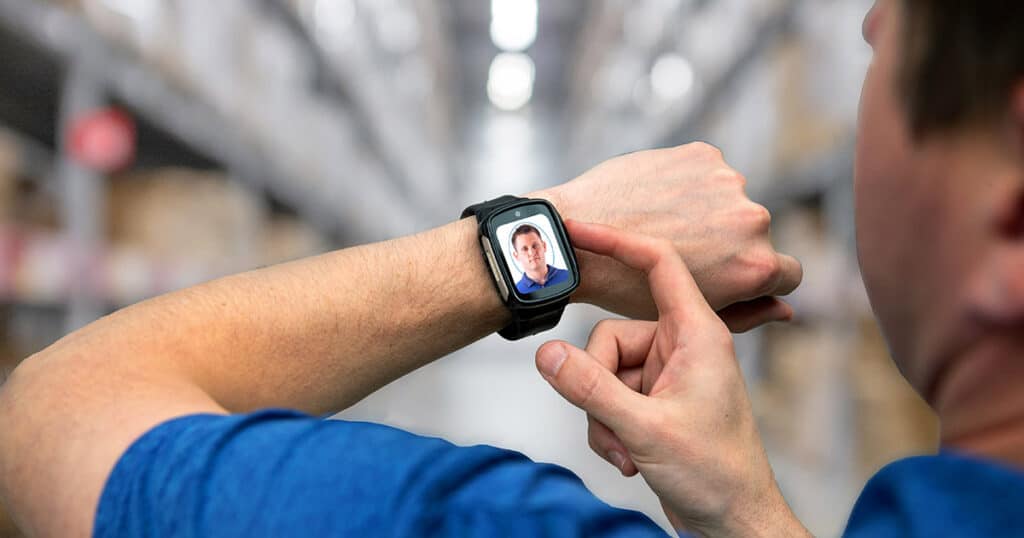
A wrist-worn monitoring device is an electronic monitoring unit worn on the wrist rather than the ankle. It provides GPS-based location tracking and communicates with a monitoring platform in real time, similar to how ankle monitors work. The device is sized comparably to a consumer smartwatch, making it significantly less visible than a traditional ankle bracelet.
One device used in electronic monitoring programs is the BI VeriWatch, a wrist-worn GPS monitoring device used in community supervision programs, including pretrial and other court-ordered monitoring contexts. A 2nd Chance Monitoring works with this type of technology as part of its monitoring services.
How Is Wrist Monitoring Different From Ankle Monitoring?
Visibility
An ankle monitor is difficult to conceal. A wrist-worn device is smaller and can be covered more easily. This lower profile matters for people returning to work, school, or family life who want to maintain some level of privacy about their legal situation.
Security Architecture
Ankle monitors rely partly on the physical constraints of the ankle. Wrist-worn devices cannot use the same approach, so they shift the security model toward identity verification. The BI VeriWatch uses biometric facial comparison technology to periodically confirm that the right person is wearing the device. If the device detects removal or a failure to respond to a check-in, the monitoring center is notified.
Social Perception
Because of its appearance, a wrist-worn device is sometimes compared to jewelry. It is still a monitoring device with tamper detection, identity verification, and direct reporting to supervising officers. The lower profile does not change the legal obligations that come with wearing it.
Who Might Be Assigned a Wrist-Worn Device?
These devices are generally considered for lower-risk individuals, those facing non-violent charges, or cases where an ankle monitor would create a disproportionate burden. Medical conditions can also be a factor. Some individuals cannot wear ankle monitors due to circulation issues, skin conditions, or other health concerns.
The supervising officer and the judge overseeing your case make the final determination on which device is assigned. An attorney can raise the question of alternative devices if there is a documented reason.
Does the BI VeriWatch Track Location the Same Way as an Ankle Monitor?
Yes. The BI VeriWatch uses GPS and Wi-Fi to track location and provides real-time monitoring through a connected supervision platform. Supervising officers can view location history, movement patterns, and zone compliance the same way they would with ankle monitor data. The device also supports two-way communication between the wearer and the monitoring agency.
What Are the Tradeoffs?
Benefits
- Less visible than an ankle bracelet, which can help preserve normalcy in daily life
- More comfortable for some individuals, particularly those with ankle or lower leg issues
- May be an option when ankle monitors are not medically appropriate
- Comparable location tracking capability to ankle monitors
Considerations
- The security model relies more on identity verification than physical containment, so check-in compliance matters significantly
- Still requires charging and consistent device maintenance
- Tamper attempts, missed check-ins, and identity verification failures are all reported to supervising officers
- Device assignment is at the discretion of the court and supervising officer, not the individual
What Are Your Obligations While Wearing a Wrist Device?
The obligations are the same as with any electronic monitoring device. You must follow all conditions of release set by the court, stay within approved zones, respond to device check-ins and notifications, and keep the device charged. Tampering with the device is a serious violation regardless of device type.
Contact your supervising officer or A 2nd Chance Monitoring immediately if you experience any technical issues, and document problems when they occur.
Frequently Asked Questions
Can I request a wrist-worn device instead of an ankle monitor?
Is a wrist-worn device less restrictive than an ankle monitor?
Does the BI VeriWatch have facial recognition?
What happens if the device is removed?
Does A 2nd Chance Monitoring offer wrist-worn monitoring?
About A 2nd Chance Monitoring
We believe everyone deserves a second chance. A 2nd Chance Monitoring provides alcohol monitoring, GPS tracking, and communication services to help individuals stay accountable while they navigate legal requirements or work toward personal goals. With multiple locations across Georgia, Alabama, and Mississippi, our team offers professional support and reliable technology you can count on 24/7. Whether you’re fulfilling a court order or simply looking for structure during a difficult time, we’re here to help. Get in touch with us today.
The information in this article is provided for general educational purposes only and does not constitute legal advice. The type of monitoring device assigned and the conditions of monitoring are determined by the court and supervising officer on an individual basis. Always follow the specific instructions provided by your supervising officer and the court overseeing your case. A 2nd Chance Monitoring provides electronic monitoring services and does not provide legal representation or legal advice.