If a court just ordered you to use a SCRAM Remote Breath device, you probably have a lot of questions. How often will it go off? What counts as a missed test? Can you still go to work and live your daily life? These are all fair concerns, and the answers are more straightforward than you might expect.
SCRAM remote breath testing is designed to confirm sobriety through scheduled and random breath samples, all while letting you keep your regular routine. This guide breaks down exactly how the process works, what to expect, and how to set yourself up for success from day one.
What Is the SCRAM Remote Breath Device?
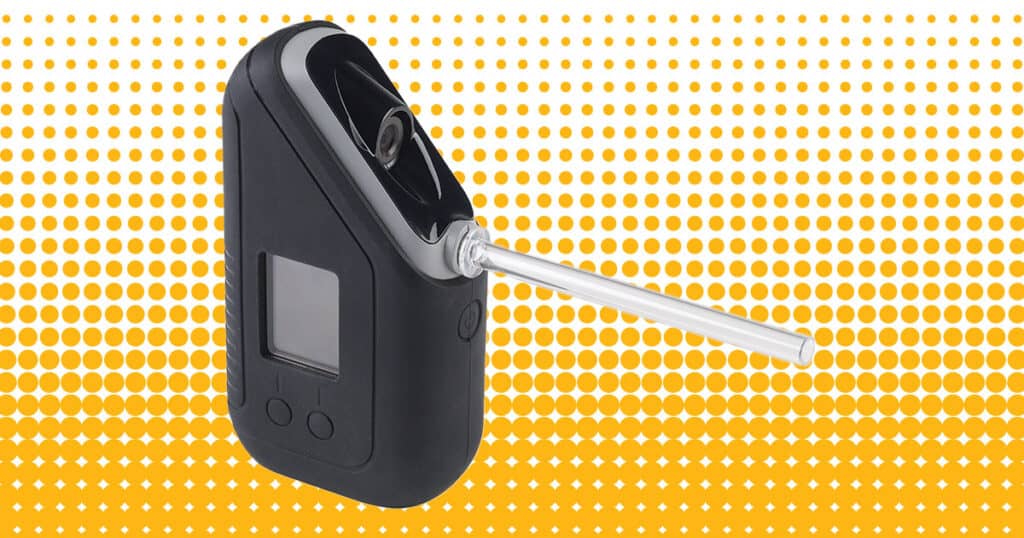
The SCRAM Remote Breath is a compact, handheld breathalyzer built specifically for court-ordered alcohol monitoring. It is roughly the size of a smartphone and comes with a carrying case, a breath tube, and a charging cable. Unlike the SCRAM CAM ankle bracelet that monitors alcohol through your skin around the clock, the Remote Breath device tests your breath alcohol content (BrAC) at specific intervals throughout the day.
The device uses an electrochemical fuel cell sensor, which is the same gold-standard technology found in law enforcement breathalyzers. It can detect alcohol levels down to 0.00 BrAC, so there is no gray area. Every test produces a clear pass or fail result.
Courts typically assign the Remote Breath device to lower-risk individuals, first-time offenders, or people who have earned less intensive monitoring after demonstrating strong compliance on a different program. It is used across DUI cases, domestic violence cases, and other alcohol-related matters where verified sobriety is a condition of release or probation.
How SCRAM Remote Breath Testing Actually Works
Here is the step-by-step process for each test:
- The device wakes up automatically. When it is time for a test, the device will sound an audible alarm and display instructions on screen. You do not need to wake it up or press any buttons to start a scheduled test.
- Get into position. Move to a well-lit area away from direct sunlight. Remove hats, sunglasses, and push hair away from your face. Stand with your back against a light-colored, solid wall.
- Insert the breath tube. Firmly push the tube into the port on the device. Place the tip in your mouth without covering or blocking the camera’s view.
- Blow steady. When the screen says “BLOW,” breathe out steadily into the tube until “STOP” appears. Do not blow as hard as you can, because that can distort the photo. A calm, steady breath is all it takes.
- Wait for results. The screen will show “Analyzing Data” briefly, then display “Monitoring” if the test is successful. The device automatically goes back to sleep.
The entire process takes about one to two minutes. During each test, the device captures a photo of your face and records your GPS location. Both are transmitted alongside your BrAC result to a secure monitoring portal that your supervising officer can access.
What Makes SCRAM Remote Breath Testing “Random”?
The word “random” is what throws most people off. It does not mean the device will ring at 3 a.m. without warning (though some schedules do include late-night windows). Random SCRAM remote breath testing means the exact moment you will be prompted to test is unpredictable within certain time windows.
Your supervising officer sets your testing schedule, which can include any combination of these four modes:
- Scheduled tests: Tests set at fixed times each day. You know exactly when the device will go off.
- Random tests: The device prompts you at an unannounced time within a designated window. You will not know the exact minute until it happens.
- On-demand tests: Your officer can trigger a test at any time through the monitoring software. The device will alert you within about 20 minutes.
- Client-initiated tests: If your program allows it, you can voluntarily take a test to build a stronger compliance record.
A typical testing schedule might include two to four windows throughout the day (for example, early morning, midday, evening, and late night). Within those windows, you will have a set timeframe to complete the test once the device alerts you. If you are not sure what your specific window is, check with your supervising officer right away. Knowing your schedule cold is one of the most important things you can do.
How Facial Verification Keeps the Process Honest
One of the most advanced features of the SCRAM Remote Breath Pro is its facial verification system. During your enrollment appointment, the monitoring provider takes your initial photo. Every time you test after that, the device captures a new image and compares it to your enrollment photo plus a running gallery of photos from previous tests.
The system automatically matches roughly 90 to 95 percent of photos without any human review needed. That means in the vast majority of cases, your identity is confirmed within seconds. If the photo quality is poor (bad lighting, sunglasses, hair in your face), the device will guide you to adjust before completing the test.
This matters for compliance. Consistency is key. If you wore glasses during enrollment, wear them every time. If you did not wear them, take them off each time. Small details like this prevent unnecessary flags on your record.
What Happens When You Miss a SCRAM Remote Breath Test
This is the part that deserves your full attention. A missed test is generally treated with the same seriousness as a positive alcohol result. Courts and supervising officers typically assume a missed test means you were avoiding detection. The device logs every missed test with a timestamp and your GPS location, and that data goes directly to your officer.
Consequences for missed tests vary by jurisdiction and your individual case, but they can include:
- Increased testing frequency
- A formal warning from your supervising officer
- A violation report filed with the court
- A probation or bond revocation hearing
- Potential jail time for repeated violations
Even one missed test can put you in a difficult position. If something truly unexpected happens (a medical emergency, a family crisis), contact your supervising officer and attorney immediately. Having documentation ready can make a significant difference in how the situation is handled.
The six steps for meeting your monitoring requirements offered by A 2nd Chance Monitoring are a good starting point for building habits that prevent missed tests.
GPS Location Tracking During Every Test
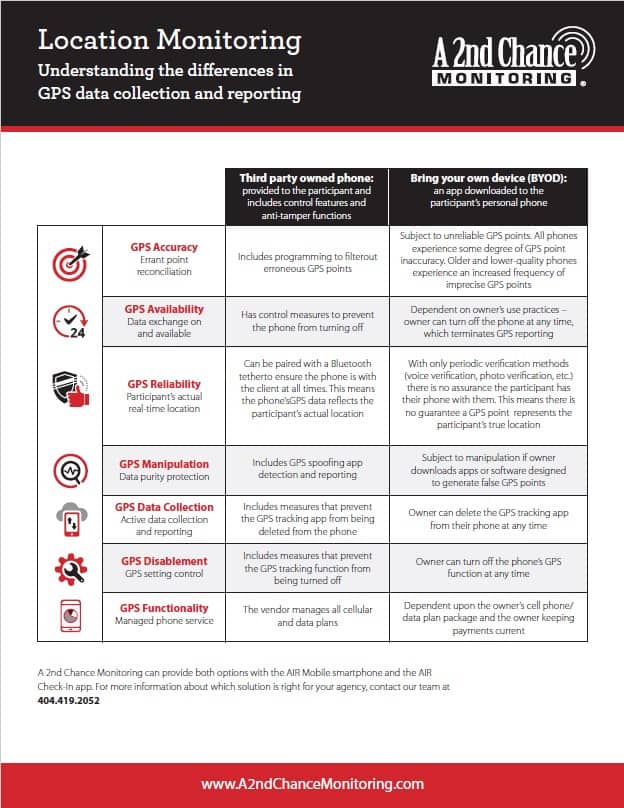
Every time you take or miss a test, the SCRAM Remote Breath device records your GPS coordinates. This feature gives your supervising officer more context about your activities and can actually work in your favor. For example, if you miss a test because you were at work and left the device in your car, your GPS data at least shows where you were. That does not guarantee a pass, but it provides information your officer can use when evaluating the situation.
For missed tests specifically, GPS data has become one of the most valuable pieces of the puzzle. It helps officers distinguish between someone who genuinely forgot and someone who may have been intentionally avoiding a test. If you are on location monitoring through a separate GPS device as well, these data points can complement each other.
Practical Tips for Staying Compliant With SCRAM Remote Breath Testing
Compliance is not complicated, but it does require discipline. Here are the habits that matter most:
- Charge the device every single day. Make it part of your bedtime routine. A dead device is a missed test, and a missed test is a violation. Full charge takes roughly six hours.
- Carry it everywhere. Keep the device in its carrying case and bring it with you to work, errands, and appointments. Leaving it at home is one of the most common reasons people miss tests.
- Set personal reminders. Your officer may be able to set up courtesy text reminders to your phone. Even if that is available, set your own backup alarms so you are always near the device during testing windows.
- Avoid alcohol-based products near the device. Do not use alcohol-based hand sanitizer, cologne, or cleaning products right before testing. While the device is designed to distinguish ingested alcohol from environmental sources, it is better to avoid any unnecessary risk.
- Never use alcohol-based cleaners on the device itself. Use a mild, non-alcohol disinfectant and a soft cloth. Alcohol-based cleaners can damage the sensors and may be treated as a tampering attempt.
- Keep the breath tube clean. Wash it with warm water and dish soap or put it in the top rack of your dishwasher. Let it dry completely before the next use.
For a more detailed breakdown of compliance strategies, the A 2nd Chance Monitoring FAQ page answers many of the most common questions participants have about the process.
How SCRAM Remote Breath Compares to Continuous Alcohol Monitoring
Courts have several alcohol monitoring tools available, and the choice typically depends on your risk level and case specifics. Understanding the differences can help you see where you fit in the bigger picture.
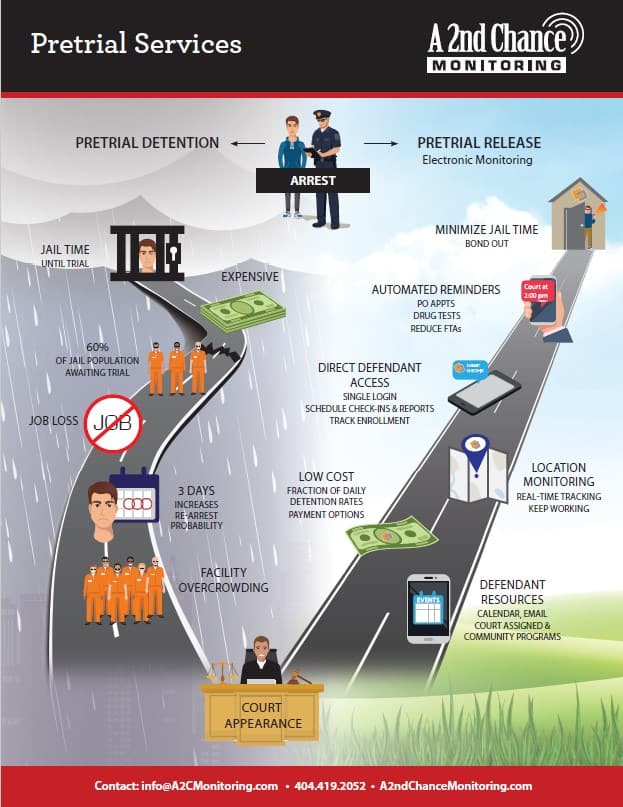
The SCRAM CAM bracelet provides 24/7 transdermal monitoring. It reads alcohol content through your skin every 30 minutes, around the clock. It is worn on the ankle and cannot be removed without triggering an alert. Courts generally reserve it for higher-risk individuals, repeat DUI offenders, or cases involving alcohol dependence.
SCRAM Remote Breath, on the other hand, tests at specific intervals rather than continuously. It is portable, discreet, and designed for people who present a lower risk or who have earned a step down from more intensive monitoring. Think of it this way: the ankle bracelet never stops watching, while the handheld device checks in at intervals. Both accomplish the goal of verified sobriety, just at different levels of intensity.
According to the National Highway Traffic Safety Administration (NHTSA), alcohol monitoring programs that combine frequent testing with consistent responses to violations show strong results in reducing repeat DUI offenses. Research on continuous monitoring found that re-arrest rates were close to zero while participants were actively being monitored.
What to Know About Costs and Program Length
Program costs for SCRAM remote breath testing vary depending on your location, your case, and your monitoring provider. Most programs charge a one-time enrollment or installation fee plus a recurring weekly or biweekly monitoring fee. Some programs require prepayment.
The length of your monitoring period is set by the court or your supervising authority. Programs can last anywhere from a few weeks to over a year, depending on the nature of the offense and the judge’s assessment. First-time offenders on pretrial release might be on the device for a shorter period, while probation conditions for repeat offenses could extend the timeline.
If you have questions about costs or program details in Georgia or Alabama, A 2nd Chance Monitoring can walk you through the specifics for your situation. Understanding the financial side early helps you plan ahead and avoid any surprises.
The Connection Between SCRAM Remote Breath Testing and Better Outcomes
Alcohol monitoring is not punishment for its own sake. Research consistently shows that consistent monitoring supports long-term behavior change. A 2024 Federal Sentencing Report found that programs combining frequent testing with swift, certain, and fair responses to violations produce some of the strongest outcomes in reducing repeat offenses.
The numbers back this up. An NHTSA-funded study of over 3,000 DUI offenders in Wisconsin and Nebraska found that those assigned to alcohol monitoring devices re-offended at dramatically lower rates than comparable unmonitored groups. After monitoring ended, the monitored individuals in Wisconsin went 360 days before any re-arrest compared to 271 days for the control group. Nebraska saw an even wider gap. That difference matters. It suggests that the routine of regular testing builds habits that stick even after monitoring ends.
SCRAM remote breath testing fits into this picture as a tool that holds you accountable without pulling you out of your life. You can still work, care for your family, and meet your daily obligations. The device just makes sure sobriety stays part of the plan.
Frequently Asked Questions About SCRAM Remote Breath Testing
How many times a day do I have to blow into the SCRAM Remote Breath device?
What happens if I miss a SCRAM Remote Breath test?
Can the SCRAM Remote Breath device tell if someone else takes the test for me?
Does the SCRAM Remote Breath device work without cell service?
How is SCRAM Remote Breath different from the SCRAM ankle bracelet?
Taking Control of Your SCRAM Remote Breath Testing Program
The reality is that SCRAM remote breath testing does not have to be overwhelming. It is a structured, predictable process once you understand how it works. Charge the device daily, carry it with you, respond to every alert promptly, and stay completely away from alcohol. That is the formula. People who approach their monitoring program with consistency and commitment build the kind of compliance record that courts notice.
If you are starting a monitoring program or have questions about how alcohol monitoring fits into your case, A 2nd Chance Monitoring provides SCRAM Remote Breath services across multiple locations in Georgia and Alabama. Their team can explain the process, help with enrollment, and make sure you have what you need to stay on track. A second chance starts with knowing what is expected and showing up every single time.
Disclaimer: This article provides general educational information about SCRAM Remote Breath testing and should not be considered legal advice. Monitoring requirements, consequences for violations, and program details vary by jurisdiction. Always consult with your attorney and supervising officer for guidance specific to your case.