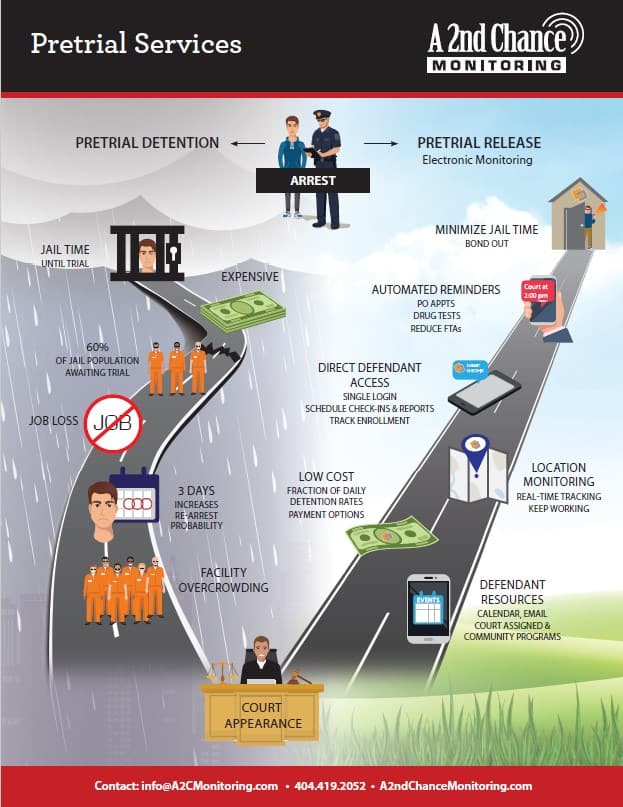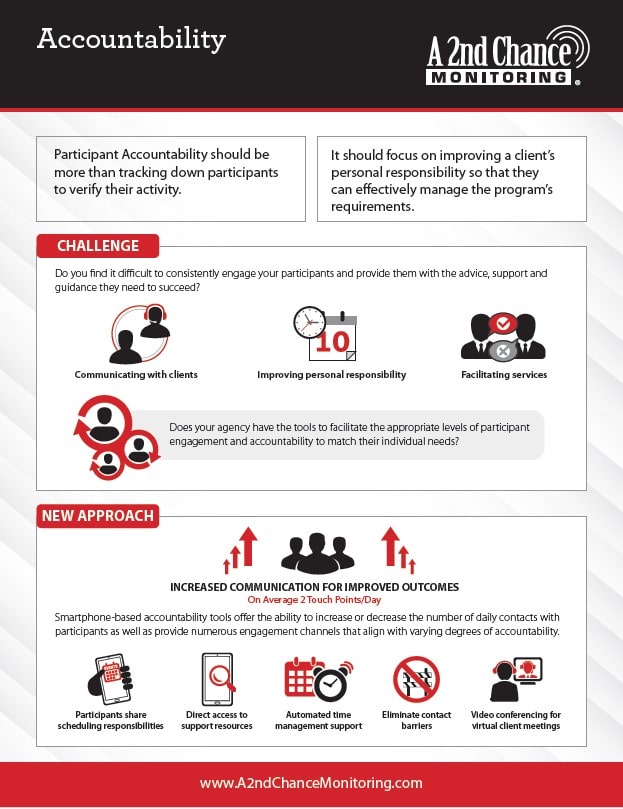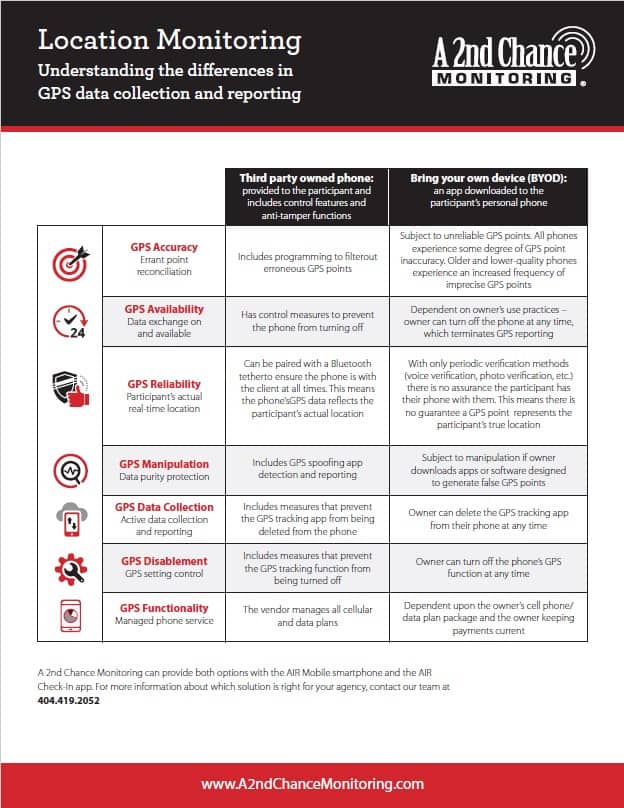

When people ask how far you can go with an ankle monitor, they usually expect a technical answer. Some specific distance measured in feet or miles from a base station. But the real answer is simpler and more nuanced than that: how far you can go depends on your court order, not the device itself.
The ankle monitor enforces whatever boundaries your supervising officer has programmed into the system. The court sets the rules. The device just makes sure you follow them.
The Device Does Not Decide Your Range
This is the most important thing to understand. A GPS ankle monitor has no built-in travel limit. It does not shut off alerts at a certain distance or automatically allow movement within a set radius. What it does is track your location continuously and compare it against the zones programmed into the monitoring system.
Those zones come from your court order and are entered by your supervising officer. Two people wearing the exact same device can have very different ranges depending on what their orders say. One person might be approved to travel across the county for work. Another might be on strict home confinement with almost no approved movement at all.
How GPS Monitoring Zones Work
GPS monitoring uses two types of geographic zones to define where you can and cannot go.
Inclusion Zones
An inclusion zone is a location where you are permitted to be. Your home is always an inclusion zone. Other common ones include your workplace, a treatment facility, a court-approved school, or a medical provider. You can move freely within your inclusion zones during the times your order allows.
Exclusion Zones
An exclusion zone is a location you are prohibited from entering. These are typically tied to the circumstances of the case. Common exclusion zones include the home or workplace of an alleged victim, certain neighborhoods, bars or liquor stores (in alcohol-related cases), or schools (in certain types of cases). If you enter an exclusion zone, an alert is generated immediately.
The area between your approved locations is where most people get into trouble. The GPS tracks your route, not just your destination. If you are approved to go from home to work, the expectation is that you take a reasonably direct path. Significant detours or stops at unapproved locations can trigger alerts even if your start and end points are both approved.
What If You Have Home Confinement vs. Standard GPS Monitoring?
Not all electronic monitoring is the same level of restriction. Your order determines how much movement is permitted.
If you are on home confinement, you are expected to stay at your home address except for specific approved departures. Leaving without a programmed exception in the system will trigger a violation. The device is monitoring whether you are where the order says you should be.
If you are on standard GPS monitoring without home confinement, you may have more flexibility. You can typically go to approved locations like work, medical appointments, or treatment programs within your scheduled windows. Some people on this type of monitoring can travel fairly freely during approved hours, as long as they stay within approved zones and return home by curfew.
The distinction matters. Ankle monitoring does not automatically mean house arrest. If you are not sure which type of monitoring you are under, ask your supervising officer directly.
Can You Leave Your County or State?
In most cases, leaving your county without prior approval is not permitted. Traveling out of state is even more restricted and generally requires specific court approval well in advance.
Emergency travel, such as a family death or a medical situation, is sometimes possible but still requires immediate communication with your supervising officer before you go, not after. Do not assume an emergency automatically excuses you from your monitoring conditions. A call to your officer or monitoring provider before leaving is always the right move.
If you have a legitimate need to travel further than your current conditions allow, the process is to work with your attorney to request a modification from the court. These modifications can be granted but they take time. Plan ahead rather than waiting until a trip becomes urgent.
How to Get More Movement Approved
Your monitoring conditions are not permanently fixed. They can be updated when your circumstances change. Here is how that works.
- For work or school changes, contact your supervising officer as soon as possible. New jobs, schedule changes, and class additions all need to be entered into the monitoring system before you go.
- For medical appointments, notify your supervising officer in advance with the address, date, and time. Most programs accommodate healthcare without issue when it is communicated properly.
- For larger changes to your permitted zones, work with your attorney to file a motion with the court requesting modified conditions. This is the formal route and it takes time, so plan accordingly.
- For one-time trips or events, ask your supervising officer directly. Many officers will work with you on legitimate one-off requests if you ask in advance and have a clean compliance history.
What Happens If You Go Too Far?
If you leave an approved zone or enter an exclusion zone, the monitoring system generates an alert. That alert goes to your supervising officer. What happens next depends on the nature of the violation and your history.
Minor, brief departures with an obvious explanation are often resolved with a call from your officer. Significant departures, repeated violations, or entering exclusion zones are treated more seriously and can result in a hearing before the judge overseeing your case.
The single most important thing you can do if something goes wrong is contact your monitoring provider and your supervising officer immediately. Proactive communication consistently leads to better outcomes than waiting to be contacted first.
A 2nd Chance Monitoring provides 24/7 support. If you are unsure whether a trip or route is within your approved conditions, call before you go. That one call can prevent a situation that is hard to explain later.
Frequently Asked Questions About Ankle Monitor Range
How far can you go with an ankle monitor?
Can you leave the county or state while wearing an ankle monitor?
Does ankle monitoring always mean house arrest?
What is an exclusion zone on an ankle monitor?
Can your monitoring conditions be changed to allow more movement?
What happens if you leave an approved zone by accident?
About A 2nd Chance Monitoring
We believe everyone deserves a second chance. A 2nd Chance Monitoring provides alcohol monitoring, GPS tracking, and communication services to help individuals stay accountable while they navigate legal requirements or work toward personal goals. With multiple locations across Georgia and Alabama, our team offers professional support and reliable technology you can count on 24/7. Whether you’re fulfilling a court order or simply looking for structure during a difficult time, we’re here to help. Get in touch with us today.
The information in this article is provided for general educational purposes only and does not constitute legal advice. Monitoring conditions, approved zones, and travel restrictions vary by jurisdiction and by individual court order. If you have specific questions about your monitoring conditions, contact your supervising officer or a licensed attorney. A 2nd Chance Monitoring is not a law firm.