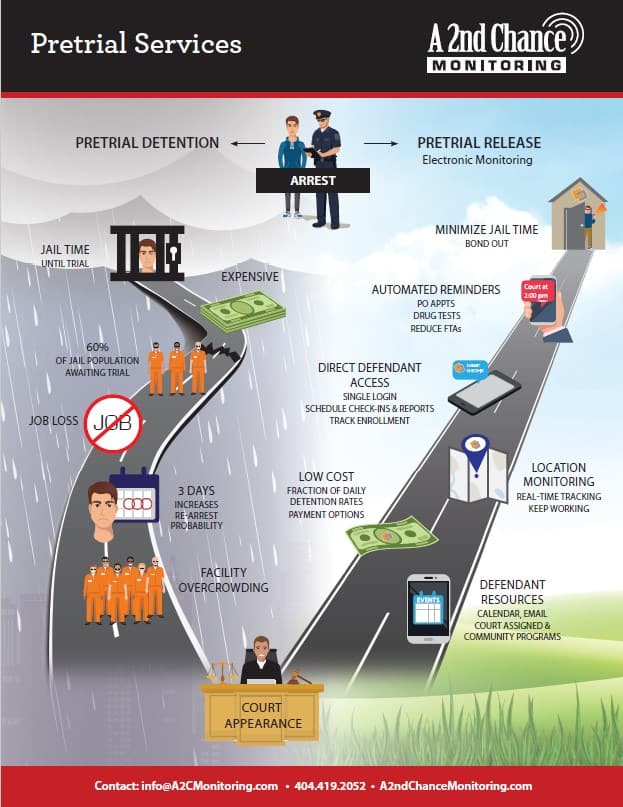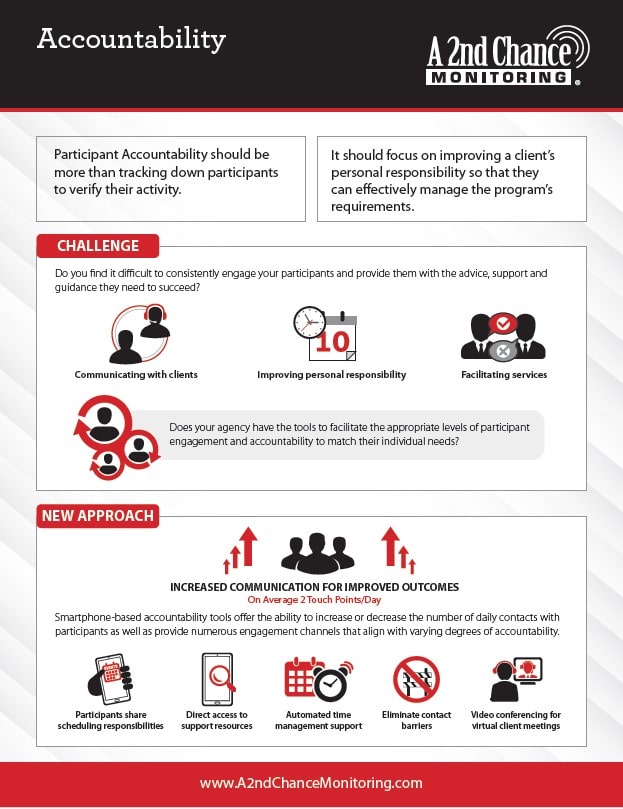
If you or someone you love is facing electronic monitoring, you probably have questions. How does a GPS ankle monitor actually work? What does it cost? Is it better than jail? This guide answers all of those questions and more.
Electronic monitoring has changed how courts supervise people outside of jail. Today, over 125,000 Americans wear GPS ankle monitors at any given time. That number has grown 140% since 2005. Courts use this technology to reduce prison overcrowding while keeping communities safe.
Whether you are preparing for house arrest or helping a family member understand the process, this guide will walk you through everything you need to know.
How GPS Monitoring Technology Works
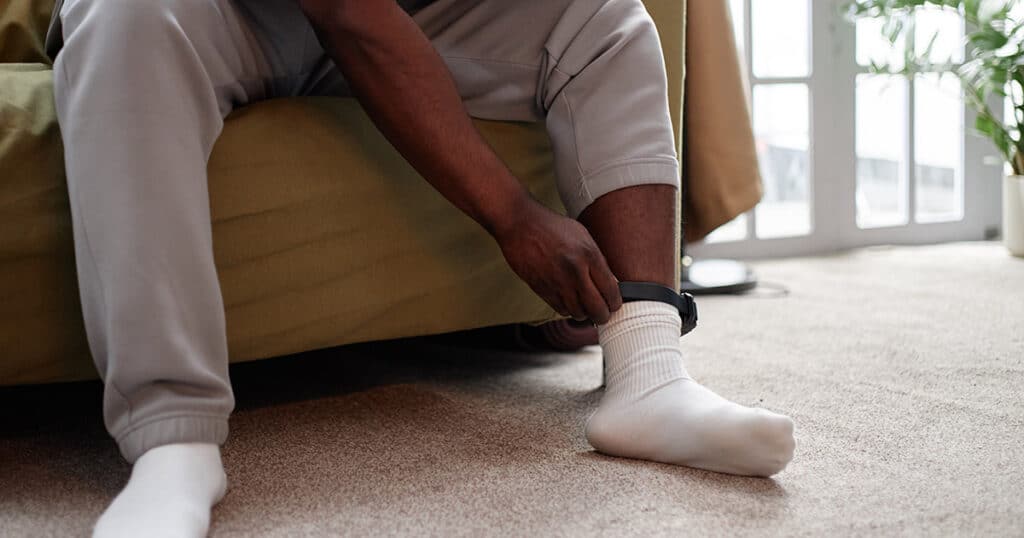
A GPS ankle monitor tracks your location around the clock. The device combines several technologies to pinpoint exactly where you are at any moment.
The Technology Inside Your Ankle Monitor
Your ankle bracelet contains a GPS receiver, cellular transmitter, and tamper detection system. Here is how each part works:
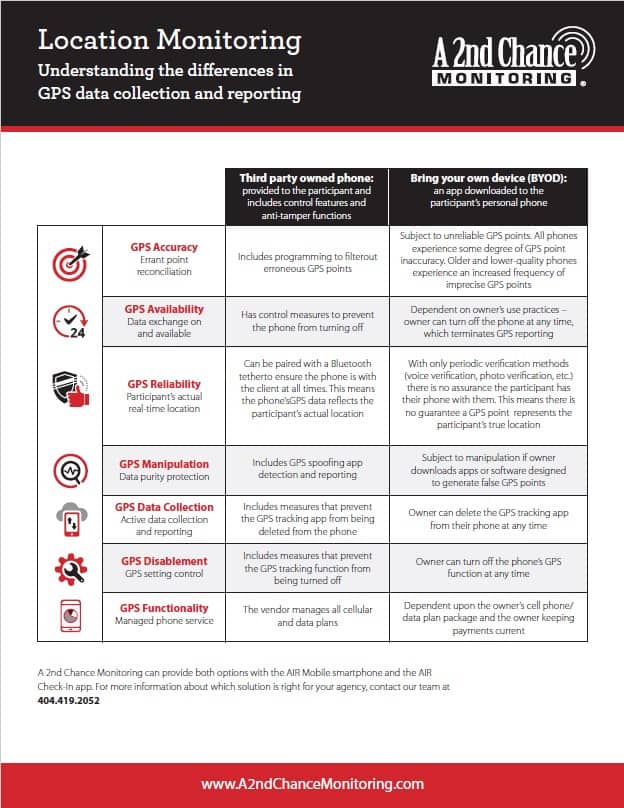
GPS Tracking: The device picks up signals from GPS satellites orbiting Earth. Modern monitors also use cellular towers and Wi-Fi networks to improve accuracy. This combination ensures the device knows your location even inside buildings where GPS signals are weak.
Cellular Transmission: Once the device calculates your location, it sends that data to a monitoring center through cellular networks. Most devices use Verizon or AT&T networks. This happens in real time, so monitoring staff always know where you are.
Tamper Detection: The ankle strap contains fiber optic sensors. If anyone tries to cut, stretch, or remove the strap, the device sends an immediate alert. Modern systems like SCRAM GPS have reduced false tamper alerts to almost zero.
Battery System: Today’s monitors have batteries that last five days or more on a single charge. Quick-charge technology lets you power up the device in about an hour. Some systems include portable chargers so you can charge while at work or running approved errands.
What Data Does the Monitor Collect?
Your ankle monitor records more than just location. The device tracks:
- Timestamps showing when you enter and leave approved areas
- Battery levels and charging patterns
- Any tamper attempts or device issues
- Communication logs with your case manager
- Proximity alerts confirming you are inside your home
When you leave an approved zone without permission, the monitoring center receives an alert within seconds. Your supervising officer then decides how to respond based on your history and the situation.
Types of House Arrest GPS Monitor Devices
Not all electronic monitoring devices are the same. Courts assign different types based on your risk level and supervision needs.
GPS Ankle Monitors
This is the most common type. Modern GPS ankle monitors like the OM500 combine GPS, Wi-Fi, and cellular technology in one sleek unit. These devices can receive voice messages, vibrations, and light signals from your case manager. You wear the device 24/7 and charge it daily.
Wrist-Worn Devices
Some people cannot wear ankle monitors due to medical conditions. The BI VeriWatch offers wrist-worn monitoring for lower-risk, nonviolent defendants. Wrist devices are more discreet but may have fewer features than ankle monitors.
Home Monitoring Units
Radio Frequency (RF) systems work differently. A receiver unit sits in your home and detects a signal from a transmitter on your ankle. This setup confirms you are home during required hours. RF systems work through landline or cellular connections and monitor 24/7. Courts often use RF monitoring when they only need to verify you are staying home during certain hours.
Smartphone and Biometric Monitoring
Newer programs use smartphone apps and biometric verification. These systems require voice recognition, fingerprint scans, or facial recognition during check-ins. One program called ShadowTrack monitored 11,000 cases in 2022 using biometric surveillance and location tracking.
Understanding the Costs of GPS Monitoring
Electronic monitoring comes with real financial responsibility. You, not the government, pay for most monitoring costs. Understanding these expenses helps you plan ahead.
Daily and Monthly Fees
Monitoring fees range widely depending on where you live. A study of 31 local jurisdictions found daily fees ranging from less than one dollar to $40 per day. Most people pay around $500 per month for basic GPS monitoring.
Here is what you might pay:
- Daily monitoring fees: $2 to $40
- Monthly costs: $60 to $1,200
- Setup fees: $25 to $300
- Monthly supervision fees: $30 to $50
Total Annual Expenses
When you add up all costs, annual expenses typically fall between $2,190 and $14,600. Most participants spend somewhere in the $3,650 to $7,300 range per year. Additional costs may include:
- Counseling or treatment programs: $200 to $500 monthly
- Drug testing: approximately $100 per test
- Court fees and fines
Fee Variations by State
Forty-three states allow courts to charge electronic monitoring fees. Even within the same state, costs vary dramatically by county.
For example, in Minnesota, Ramsey County charges no monitoring fees. But Steele County charges $10 to $11 daily, and Cass County charges $20 daily. In Missouri, St. Louis pretrial programs charge up to $10 daily. Someone on pretrial monitoring for six months could pay around $2,000 without ever being convicted.
What If You Cannot Afford the Fees?
Failing to pay monitoring fees can lead to serious problems. Courts may revoke your house arrest and send you to jail. Unfortunately, many courts do not hold hearings to determine whether you can actually afford the fees. If paying is a hardship, talk to your attorney about requesting a fee reduction or waiver.
Benefits of GPS Monitoring Over Jail
Despite its restrictions, house arrest offers real advantages compared to sitting in jail.
Cost Savings
House arrest saves about $14,000 per year compared to incarceration costs. Instead of taxpayers funding your jail stay, you cover your own monitoring expenses. This approach reserves expensive jail space for people who truly need to be there.
Keep Your Job and Support Your Family
One of the biggest benefits is staying employed. You can work, earn income, and support your family. This stability helps with rehabilitation and makes it easier to pay court fines and restitution.
If you need help posting bail to avoid jail while your case is pending, A 2nd Chance Bail Bonds serves clients across Metro Atlanta and Alabama. Getting out on bail may allow you to work with your attorney on alternatives like house arrest.
Better Supervision and Accountability
GPS tracking provides constant supervision. This level of accountability can actually help you. If you are accused of a new crime, your location data might prove you were somewhere else entirely. Some people have used their GPS records as an electronic alibi.
Separation from Serious Offenders
House arrest keeps low-risk, nonviolent offenders away from hardened criminals. Spending time in jail often exposes people to negative influences. Staying home removes that risk.
Challenges and Drawbacks to Consider
GPS monitoring is not perfect. Understanding the downsides helps you prepare for what lies ahead.
Financial Burden
Monitoring costs hit hardest for people with limited income. Paying $500 a month on top of rent, bills, and other expenses is difficult. Some people end up back in jail simply because they could not afford the fees.
Employment Challenges
While you can work, the ankle monitor can create problems. Some employers do not want staff wearing visible monitoring devices. GPS signals sometimes struggle in large buildings, which can trigger false alerts. Studies have found that some monitored individuals lost their jobs because of issues related to their ankle monitors.
Privacy Concerns
Wearing a GPS monitor means the government knows your location 24/7. For some people, this level of surveillance feels invasive. Courts continue to debate the balance between public safety and personal privacy.
Technical Limitations
GPS devices show where you are but not what you are doing. Signal quality drops in large office buildings and apartment complexes. These limitations sometimes create confusion or trigger false violation alerts.
Does GPS Monitoring Actually Work?
Research on electronic monitoring effectiveness shows mixed results. Some studies find clear benefits while others show little impact.
Positive Research Findings
A Florida State University study found that GPS monitoring reduced supervision failures by 31% compared to traditional probation. Another study showed a 6 to 7 percentage point reduction in reconviction rates after five years when courts used electronic monitoring instead of prison.
Research on sex offenders shows statistically significant reductions in reoffending when GPS monitoring is used. The constant supervision appears to deter new crimes for this high-risk group.
What the Research Does Not Show
Studies have not proven that GPS monitoring works for everyone. Low-risk offenders may not benefit much from the added supervision. A comprehensive review of 18 studies found favorable effects in some analyses but inconsistent results overall.
The most recent analysis of studies from 1991 to 2018 found no consistent evidence that electronic monitoring is effective across all populations. Results vary based on the type of monitoring, the population being supervised, and how programs are implemented.
What Makes Monitoring More Effective?
Programs that combine GPS monitoring with treatment, counseling, and active case management show better outcomes. Real-time tracking with immediate response to violations also improves results. Simply strapping a monitor on someone without support services is less likely to succeed.
Frequently Asked Questions About House Arrest GPS Monitors
Can I shower with my GPS ankle monitor?
Yes. GPS ankle monitors are water-resistant. Showering and bathing are fine. Just avoid submerging the device for long periods in pools or bathtubs.
How often do I need to charge my ankle monitor?
Most devices need daily charging. Charging typically takes one to two hours. Your monitoring company will provide specific instructions. Letting your battery die can count as a violation.
Will my employer know I am wearing an ankle monitor?
Ankle monitors are usually visible under pants or long socks, but not always obvious. You are not legally required to tell your employer in most cases. However, some jobs (especially those requiring security clearances) may have restrictions.
What if my ankle monitor causes skin irritation?
Contact your monitoring company right away. They can adjust the fit or provide a protective sleeve. Do not try to adjust or remove the device yourself. That can trigger a tamper alert.
Getting Support During House Arrest
House arrest is challenging, but you do not have to figure everything out alone. Working with an experienced electronic monitoring provider can make a real difference.
Good monitoring companies offer more than just a device. They provide 24/7 support, clear communication about your requirements, and help navigate the system. When problems come up, having a responsive team on your side matters.
A 2nd Chance Monitoring serves clients throughout Georgia and Alabama with GPS ankle monitoring, alcohol monitoring, and other court-ordered supervision services. Our team understands what you are going through and works to make the process as smooth as possible.
Your Next Steps
Understanding how a GPS ankle monitor works is the first step toward successful completion. Budget for the costs. Charge your device daily. Keep communication open with your supervising officer.
Electronic monitoring gives you an opportunity to serve your sentence while maintaining connections to your job, your family, and your community. Taking it seriously improves your chances of moving forward with your life.
If you have questions about electronic monitoring services in Georgia or Alabama, contact A 2nd Chance Monitoring today. Our team is ready to help you understand your options and stay compliant with your court requirements.
About A 2nd Chance Monitoring
We believe everyone deserves a second chance. A 2nd Chance Monitoring provides alcohol monitoring, GPS tracking, and communication services to help individuals stay accountable while they navigate legal requirements or work toward personal goals. With multiple locations across Georgia and Alabama, our team offers professional support and reliable technology you can count on 24/7. Whether you’re fulfilling a court order or simply looking for structure during a difficult time, we’re here to help. Get in touch with us today.
Disclaimer
This article is for informational purposes only and does not constitute legal advice. Laws, regulations, and electronic monitoring requirements vary by state, county, and individual court orders. The costs, rules, and procedures described in this guide may differ from what applies to your specific situation.
If you are facing house arrest or electronic monitoring, consult with a qualified attorney to understand your legal rights and obligations. Always follow the specific instructions provided by your court, probation officer, or monitoring provider.
A 2nd Chance Monitoring provides electronic monitoring services in Georgia and Alabama. For questions about our services or your monitoring requirements, please contact our team directly. Information in this article was accurate at the time of publication, but may change as laws and technology evolve.