GPS monitor tampering is one of the fastest ways to turn a manageable legal situation into a serious felony. Every year, people on electronic monitoring face additional charges because they did not understand what counts as tampering. Some actions are obvious violations. Others might surprise you. This guide breaks down exactly what you need to know to stay compliant and avoid making your situation worse.
Whether you are on pretrial release, probation, or parole, understanding these rules could save you years in prison and thousands in fines.
What Legally Counts as GPS Monitor Tampering
Courts and monitoring agencies define tampering as any intentional act that interferes with your device’s operation. This falls into three main categories.
Physical Interference
The most obvious form of tampering involves physically altering or damaging your device. This includes:
- Cutting or breaking the strap
- Removing the device without authorization
- Using tools to open or damage the equipment
- Deliberately destroying the device
- Submerging the device in ways that cause damage
Signal Blocking and Interference
You do not have to touch your device to tamper with it. Signal interference is taken just as seriously. This includes:
- Wrapping the device in aluminum foil or other shielding materials
- Using GPS jammers or blockers
- Placing materials between the device and your skin to interfere with readings
- Any technology designed to block or disrupt signals
Federal Crime Alert: Using a GPS jammer is a federal crime under the Communications Act of 1934. Fines can reach $112,500, and you could face federal jail time. This applies whether you use, sell, or distribute jamming devices.
Asking Others to Help
Here is something many people do not realize. Asking someone else to tamper with your monitor is also illegal. Some states have recently enhanced penalties specifically for people who assist in tampering. You cannot get around the rules by having a friend or family member do the work.
State Penalties for GPS Monitor Tampering
Penalties vary significantly by state. Recent legislation has made these consequences much more severe in several jurisdictions.
Georgia
Under Georgia Code § 16-7-29, tampering carries 1 to 5 years imprisonment. The law covers removal, destruction, and circumvention of electronic monitoring devices. It is also illegal to ask another person to tamper with your device.
Federal Probation
If you are on federal supervision, tampering can result in probation revocation under 18 U.S.C. § 3583(e)(3). Consequences include:
- Extended probation terms
- Additional criminal charges
- Extended sentencing
- Fines and restitution for device repair
- Potentially serving the remainder of your original sentence in prison
What Does NOT Count as GPS Monitor Tampering
Not every alert or issue means you violated your conditions. Courts and monitoring agencies recognize several situations that do not constitute tampering.
Accidental Damage
Legitimate accidents happen. Courts recognize this when you:
- Accidentally catch the device on something and loosen the strap
- Unintentionally strike the device against a wall or rock
- Need medical removal for MRI, CT scan, X-ray, or emergency surgery
- Experience severe medical swelling that requires removal
Important: Medical removal must be authorized by a qualified physician, and monitoring officers must be notified before the procedure when possible.
Equipment Malfunctions
Electronic devices fail sometimes. This is well documented in studies and court records.
The Wisconsin Department of Corrections documented 14 false strap tamper alerts in a single month (May 2017). Inspections found no evidence of actual tampering in any of these cases.
In a Syracuse federal probation case, false alarms were so frequent that the manufacturer recommended a 5-minute buffer before notifying officers.
Common technical issues include:
- Batteries draining faster than advertised
- Charger failures
- GPS signal loss in buildings, tunnels, or dense urban areas
- Location inaccuracy showing wrong positions
- Software update failures
A study of 100 participants over 12 weeks required 16 bracelet replacements across 13 participants. Eleven of those replacements were due to manufacturer recalls or malfunction notices.
Job Related Signal Loss
22% of monitored individuals reported being fired or asked to leave jobs due to ankle monitor issues. The primary reason was signal loss that required them to step outside to reconnect.
Signal loss while working is not tampering. However, you should discuss your work environment with your monitoring officer in advance. If you work in a building with poor reception, documenting this ahead of time protects you.
Why “Internet Hacks” Do Not Work
A quick search online will show you dozens of supposed methods to beat your ankle monitor. None of them work, and all of them will get you arrested.
The Aluminum Foil Myth
Despite what you might read, aluminum foil does not work. Monitoring systems detect signal interference immediately. Modern devices have built-in logic specifically designed to identify foil interference.
One monitoring company put it bluntly: “This is the dumbest freaking idea. We get all sorts of signal issues. We know when there is interference with the device.”
Even if foil could theoretically block signals (which would require multiple perfect layers), the signal degradation pattern is easy to detect. Monitoring officers see these attempts regularly, and they know exactly what they look like.
GPS Jammers
Using a GPS jammer is a federal crime. Beyond the $112,500 in potential fines and jail time, modern monitoring systems are designed to detect jamming attempts. The moment your device loses GPS signal in a suspicious pattern, alerts go out.
Understanding Tamper Detection Technology
Modern GPS monitors use multiple systems to detect interference. Understanding how they work helps explain why tampering attempts fail.
Devices include fiber optic sensors that detect when straps are cut or damaged. Photo-optic sensors continuously monitor strap integrity. Micro switches detect any strap movement. Temperature and skin contact sensors confirm the device is being worn properly.
When any sensor triggers, alerts are sent immediately to the monitoring center through multiple methods including lights, alarms, RF signals, and cellular data.
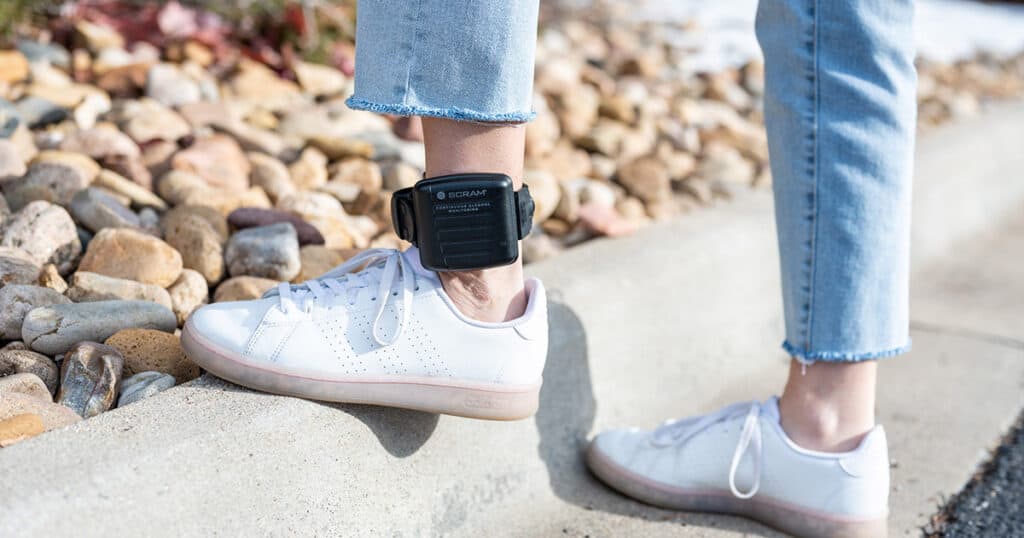
For devices with alcohol monitoring (SCRAM), infrared sensors monitor the distance from skin. A tamper alert triggers if readings go 12% above or 17% below baseline for three consecutive readings. Even something as simple as placing socks between the device and your skin can trigger alerts.
How to Stay Compliant
Following a few basic practices will help you avoid problems during your monitoring period.
Daily Charging
Most GPS monitors need 1.5 to 2 hours of charging daily. Battery life varies by model (some last 16 hours, others up to 60 hours), but daily charging prevents low battery alerts.
Best practice is to charge during sedentary activities like watching TV or eating meals. A solid green light means fully charged. Flashing red means you need to charge immediately.
Some programs require 90 consecutive minutes of charging rather than multiple short sessions. Check your specific requirements with your monitoring officer.
Protect Your Device
Keep the device dry and protected from damage. Avoid activities that could harm the equipment. Do not submerge the device in ocean water (this can result in a $1,500 fine or destruction of government property charge in some jurisdictions).
Zone Compliance
GPS tracking monitors your path, not just your destinations. Unapproved stops (even briefly) can trigger violations. Stay within approved zones and follow exact approved routes.
Communication Is Everything
Request approval before any schedule changes. Set reminders for charging and check-ins. Document all communications with your probation officer.
What to Do When Problems Occur
Equipment issues happen. How you respond makes all the difference.
- Call your probation officer immediately
- Leave voicemails and send texts documenting the issue
- Take photos or videos of any malfunction
- Do not attempt to fix or remove the device yourself
- Stay where you are (do not flee)
- Contact your attorney if available
One person on Reddit documented how they handled a monitor that died overnight due to a faulty charger. They called repeatedly, left voicemails, sent texts documenting the issue, recorded video of the non-functioning charger, and shared their iPhone location with their supervisor. When the supervisor responded 12 hours later, no violation was issued because everything was documented.
The Only Legal Way to Remove Your Monitor
There is exactly one legal way to have your GPS monitor removed:
- File a motion with the court
- Provide a legitimate reason (job requirements, health issues, necessary travel)
- Attend a hearing
- Wait for the judge’s approval
Never remove your device without a court order. Legitimate reasons courts may consider include job conflicts (underwater work, travel, uniform requirements), medical necessity, severe ankle pain or injury, and documented mental health impacts.
Electronic Monitoring by the Numbers
Understanding the broader context helps put compliance in perspective.
Over 125,000 people were on electronic monitoring as of 2015, representing a 140% increase from 2005 (when approximately 53,000 people were monitored).
Electronic monitoring has been shown to reduce recidivism. Studies show a 31% reduction in failure rates compared to other supervision methods. Reoffending dropped from 58% to 42% in monitored populations. For offenders under age 30, the effect was even more pronounced with a 43 percentage point reduction that persisted up to 8 years.
Cost comparison shows electronic monitoring runs approximately $5 to $10 per day, while imprisonment costs $30 to $80 per day (6 to 8 times more expensive).
Frequently Asked Questions
Can I shower with my GPS monitor?
Most devices are water-resistant enough for showering and bathing. However, do not submerge the device for extended periods. Check your specific device guidelines with your monitoring officer.
What if my monitor keeps losing signal at work?
Document the issue with your monitoring officer immediately. Signal loss in certain buildings is common and recognized. Having this documented in advance protects you from violation claims.
My device is causing a skin reaction. What should I do?
Contact your monitoring officer right away. Document the reaction with photos. Medical issues are recognized as legitimate concerns, and adjustments can often be made.
Can I travel out of state with my monitor?
Only with prior approval from the court and your monitoring officer. Unauthorized travel is a violation. Request permission well in advance of any planned trips.
Get Support During Your Monitoring Period
Electronic monitoring can feel overwhelming, but understanding your responsibilities makes compliance much more manageable. GPS monitor tampering carries serious consequences that far outweigh any perceived benefit of interfering with your device.
If you have questions about electronic monitoring services in Georgia or Alabama, contact A 2nd Chance Monitoring for professional guidance. Our team helps individuals understand their monitoring requirements and maintain compliance throughout their supervision period.
For those facing bail-related questions in Metro Atlanta or Birmingham, A 2nd Chance Bail Bonds provides resources and support across multiple locations.
About A 2nd Chance Monitoring
We believe everyone deserves a second chance. A 2nd Chance Monitoring provides alcohol monitoring, GPS tracking, and communication services to help individuals stay accountable while they navigate legal requirements or work toward personal goals. With multiple locations across Georgia and Alabama, our team offers professional support and reliable technology you can count on 24/7. Whether you’re fulfilling a court order or simply looking for structure during a difficult time, we’re here to help. Get in touch with us today.
Disclaimer
The information in this article is provided for general educational purposes only and should not be considered legal advice. Laws regarding electronic monitoring and GPS monitor tampering vary by state and jurisdiction, and regulations change frequently. The penalties, procedures, and requirements described here may not reflect the most current laws in your area.
This content does not create an attorney-client relationship between you and A 2nd Chance Monitoring. If you are currently on electronic monitoring or facing charges related to monitor tampering, you should consult with a qualified attorney in your jurisdiction who can provide advice specific to your situation.
A 2nd Chance Monitoring provides electronic monitoring services but does not offer legal representation or legal advice. Always follow the specific instructions provided by your court, probation officer, or monitoring officer, as their requirements supersede any general information provided here.
While we strive to keep this information accurate and up to date, we make no guarantees about the completeness or accuracy of the content. Your monitoring conditions are governed by your specific court order, not by general information found online.
If you have questions about your monitoring requirements, contact your supervising officer or legal counsel directly.