
If you are counting down the days until your GPS monitor removal, you are not alone. Thousands of people across the country reach this milestone every year after completing court-ordered monitoring requirements. That last day can feel like a finish line you have been waiting months to cross. But before you get there, it helps to know exactly what the process looks like, what to do ahead of time, and what life looks like on the other side.
Whether your monitoring period is ending because your case was resolved, your probation terms were met, or a judge approved early removal, this guide walks you through what to expect so there are no surprises.
How GPS Monitor Removal Actually Works
The physical act of removing a GPS ankle monitor is quick. A trained technician or your supervising officer will use a specialized tool to cut or release the strap securing the device to your ankle. The whole process usually takes just a few minutes.
In most cases, you will need to go to a scheduled appointment at the monitoring company’s office or your probation officer’s location. Some agencies also arrange for removal at a courthouse or during a regular check-in visit. It depends on the jurisdiction and the monitoring provider handling your case.
During the appointment, the technician will:
- Verify your identity and confirm the removal has been authorized.
- Inspect the device for any signs of damage or tampering.
- Remove the strap and collect the GPS unit.
- Collect any accompanying equipment you were issued, such as your charger or base station.
- Document the removal for your case file.
That’s it. Once the device and all associated equipment are returned, you walk out without it.
What You Need Before Your Removal Appointment
Before your GPS monitor removal happens, a few things need to be in order. Missing a step here could delay the process, so it pays to be prepared.
Court documentation. A GPS monitor can only come off when you have the proper paperwork. You will need to bring a stamped or certified copy of the court document authorizing the removal. This is typically one of two things: a modification order that specifically allows the monitor to be removed, or a disposition document showing your case has reached its conclusion. Without this paperwork in hand, the monitoring provider cannot proceed with removal. If you are unsure which document applies to your situation, contact your attorney or supervising officer ahead of time. In some cases, your attorney may need to file a motion requesting removal, and the final decision rests with the judge assigned to your case.
Outstanding fees. Many monitoring programs require that all fees be current before the device is removed. Monitoring programs are typically funded by the participant, and daily fees can range depending on the type of device and program. If you have a balance, contact your monitoring provider ahead of time to make arrangements. Companies like A 2nd Chance Monitoring work with participants to address payment questions and ensure a smooth process.
All accompanying equipment. Do not forget to bring any equipment that was issued to you along with the GPS device. This commonly includes a charger and, in some cases, a base station or docking unit. The monitoring provider needs to collect everything associated with your device, not just the ankle unit itself. Forgetting a piece of equipment could mean an extra trip, so double check before you head to your appointment.
Confirmation of your appointment. Do not assume the date. Call your monitoring provider or supervising officer a few days in advance to confirm the time and location. Showing up at the wrong office or on the wrong day adds unnecessary stress to what should be a positive experience.
Why GPS Monitor Removal Gets Delayed
Sometimes the removal date gets pushed back. Knowing the common reasons can help you avoid them.
Pending court action. If your case has not been fully resolved, the judge may not approve removal yet. GPS monitors typically stay on until a case reaches its conclusion, or until a court order specifically authorizes removal. Court backlogs can add weeks or even months to the timeline.
Compliance issues. Judges and supervising officers look at your full record before signing off on removal. Missed check-ins, unapproved travel, curfew violations, or failure to charge the device can all raise red flags. Consistent compliance throughout your monitoring period is one of the strongest factors working in your favor.
Unpaid monitoring fees. As noted above, outstanding balances can hold up the process. Stay on top of payments or communicate with your provider if your financial situation changes. Most monitoring companies would rather work with you than let fees become a barrier.
Missing documentation. If you arrive at your appointment without a stamped or certified copy of the required court document, the removal cannot move forward. Make sure your paperwork is in order well before your scheduled date.
Taking Care of Your Skin After the Monitor Comes Off
Wearing a GPS device on your ankle for weeks or months takes a toll on the skin underneath. Once the monitor is removed, you may notice:
- A visible difference in skin tone where the device sat compared to the surrounding area.
- Dryness, flakiness, or mild irritation from the strap rubbing against your skin.
- Slight swelling or tenderness in the area, especially if the device was fitted snugly.
This is all normal and temporary. Here are a few simple steps to help your skin recover:
- Wash the area gently with mild soap and lukewarm water.
- Apply a fragrance-free moisturizer to help with dryness.
- Avoid scratching or picking at the skin, even if it feels itchy.
- Give the area some air. Wearing loose clothing around your ankle for a few days can help.
If the irritation is severe, painful, or shows signs of infection (redness, warmth, or discharge), contact a healthcare provider. In most cases, the skin returns to normal within a week or two.
What Happens After GPS Monitor Removal
Getting your GPS monitor removed is a major step forward. But it does not always mean your legal obligations are completely finished. Here is what you should know about life after the monitor comes off.
Remaining supervision conditions. Even without a GPS device, you may still be on probation or under other court-ordered supervision. That could include regular check-ins with a probation officer, travel restrictions, drug or alcohol testing, or curfew requirements. Talk to your attorney or supervising officer to understand exactly what conditions remain.
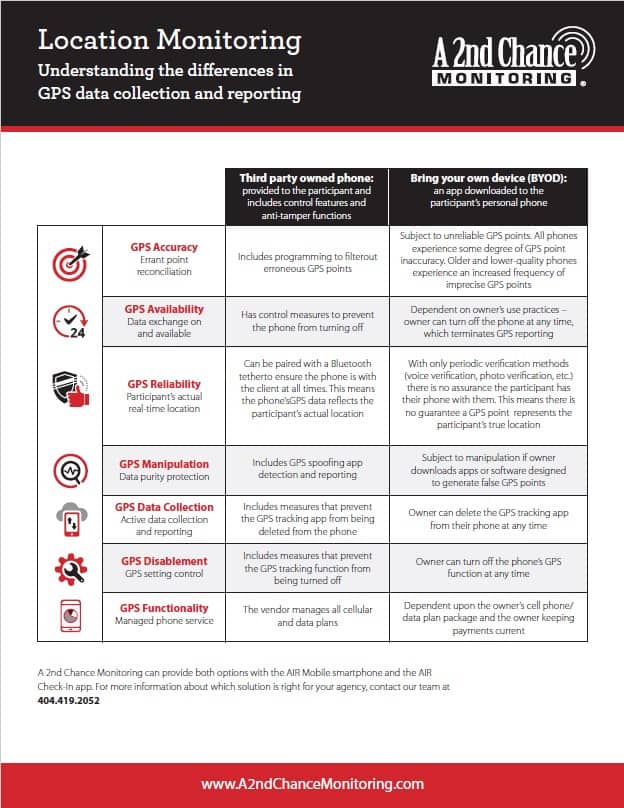
Possible alternative monitoring. In some cases, a judge may replace GPS monitoring with less restrictive options. These can include periodic phone check-ins, a smartphone-based monitoring app, or scheduled office visits. The shift from a physical device to a digital check-in system can provide more freedom while still satisfying the court’s need for accountability.
Documentation of compliance. Your monitoring provider will typically generate a final report showing your compliance history throughout the monitoring period. This report can be valuable for your attorney. A clean record of compliance may support future motions to reduce other supervision requirements or even request early termination of probation.
Can You Request Early GPS Monitor Removal?
Yes, in many jurisdictions it is possible to petition the court for early removal of a GPS monitor. The process generally involves your attorney filing a motion to modify the conditions of your supervision. The judge will consider several factors when deciding whether to approve the request.
Key factors that work in your favor include:
- A clean compliance record with no violations or alerts.
- Consistent attendance at all court hearings and probation check-ins.
- Steady employment or enrollment in education or treatment programs.
- A positive recommendation from your supervising officer.
- Legitimate reasons for removal, such as interference with work requirements or medical needs.
If the judge denies the initial request, it is not necessarily the end of the road. Some courts allow reapplication after 30 to 90 days of continued compliance. Your attorney can advise you on the best timing and approach for your specific situation.
How GPS Monitoring Supports a Successful Outcome
It may not feel like it while you are wearing the device, but GPS monitoring often works in your favor. The data collected by the monitor creates a documented record showing the court that you followed the rules, stayed within approved areas, and met your obligations.
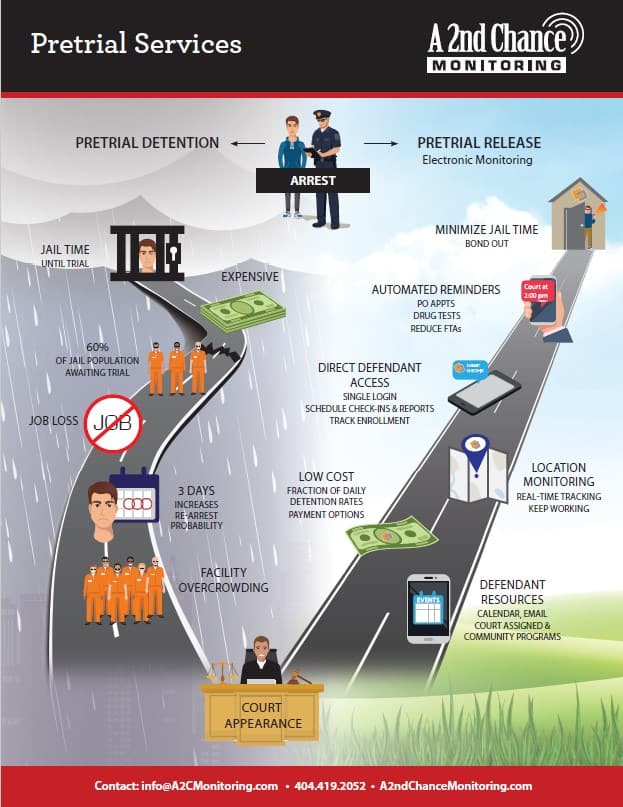
According to the U.S. Courts, when GPS monitoring is used as an alternative to detention, it costs approximately $4 per day compared to $106 per day for pretrial detention. That cost savings benefits taxpayers and communities while allowing monitored individuals to keep working, supporting their families, and participating in treatment programs.
For many people, monitoring serves as a bridge between incarceration and full freedom. It gives judges a middle-ground option that keeps communities safe while giving defendants a real chance to demonstrate responsibility.
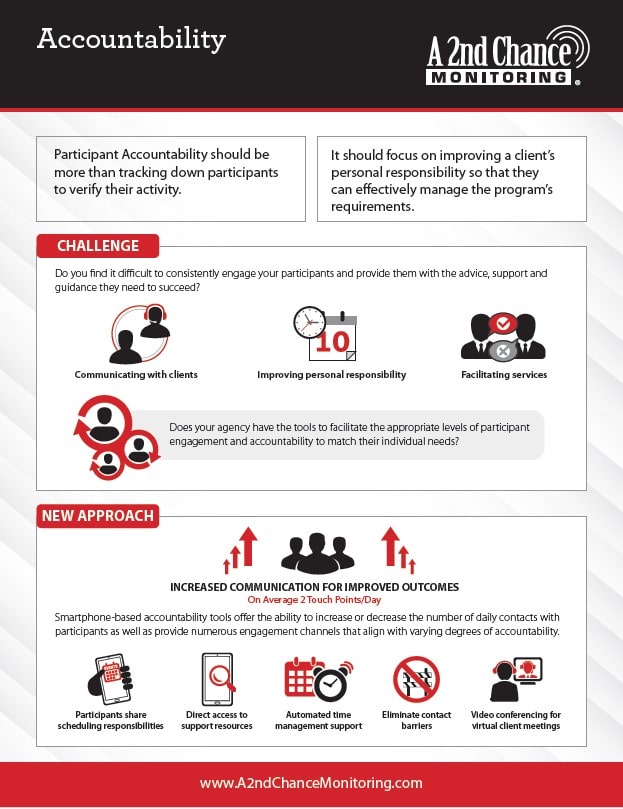
Providers like A 2nd Chance Monitoring are built around this philosophy. Their six-step compliance guide helps participants understand their responsibilities and stay on track throughout the monitoring period, so that removal day goes smoothly when it arrives.
Frequently Asked Questions About GPS Monitor Removal
How long does the removal appointment take? The physical removal takes just a few minutes. The full appointment, including identity verification and paperwork, is usually done in under 30 minutes.
Do I need a court order for GPS monitor removal? Yes. You will need to bring a stamped or certified copy of either a modification order allowing removal or a disposition document showing your case has ended. Removing a device without permission is a serious violation that can result in arrest and additional charges.
What do I need to bring to my removal appointment? Bring your stamped or certified court document and any equipment that was issued with your monitor, such as a charger or base station. The monitoring provider needs to collect all of it.
Will I get a receipt or documentation showing the monitor was removed? Most monitoring providers document the removal and can provide a final compliance report. Ask your provider or supervising officer for a copy for your records.
What if my monitoring company has issues on removal day? A reliable monitoring provider will have the process down to a routine. If you are working with A 2nd Chance Monitoring, their team is available to help resolve any issues quickly, including troubleshooting and same-day support.
Moving Forward After GPS Monitor Removal
GPS monitor removal marks the end of one chapter and the start of something better. You put in the work, stayed compliant, and reached the finish line. That is worth recognizing.
As you move forward, keep the momentum going. Stay in touch with your attorney about any remaining legal obligations. Maintain the positive habits you built during monitoring, like keeping a consistent schedule and meeting deadlines. Those habits do not just satisfy a court order. They set you up for long-term success.
If you or someone you know is currently wearing a GPS monitor and has questions about the process, A 2nd Chance Monitoring provides GPS monitoring solutions with 24/7 support designed to help participants meet their requirements and prepare for a smooth GPS monitor removal when the time comes. You can also visit A 2nd Chance Bail Bonds to learn more about Georgia’s ankle monitor laws and what your rights are throughout the process.
About A 2nd Chance Monitoring
A 2nd Chance Monitoring is Georgia’s provider of advanced electronic monitoring services. A sister company to A 2nd Chance Bail Bonds, the company serves supervisory agencies, specialty courts, and defendants across metro Atlanta counties. A 2nd Chance Monitoring offers GPS location monitoring, RF curfew monitoring, alcohol monitoring, and mobile check-in solutions designed to keep communities safe while helping individuals meet their court-ordered obligations.
Disclaimer: This article is for educational purposes only and does not constitute legal advice. Monitor removal procedures, timelines, and requirements vary by jurisdiction, court order, and monitoring provider. Always follow the specific terms of your court order and contact your supervising officer or attorney with questions about your removal process.