If you’re reading this in early January, there’s a good chance you (or someone you know) decided to take a break from alcohol this month. Dry January has gone from a niche challenge to a full-blown cultural moment. And 2026 might be the biggest year yet.
But let’s be real. Deciding to do Dry January is the easy part. Actually making it to February? That’s where things get tricky.
The first weekend feels fine. You’re motivated. You’re sleeping better. Maybe you’ve already noticed your skin looks different. Then week two hits. Someone invites you to happy hour. Your partner opens a bottle of wine at dinner. Suddenly, that voice in your head starts negotiating. “One drink won’t hurt. You’ve already proven you can do it.”
Sound familiar? You’re not alone. Nearly one in three people who start Dry January don’t finish it. The good news is that having some form of Dry January accountability in place can make all the difference.
Why This Year Feels Different
Something shifted in the public conversation about alcohol right as Dry January was kicking off. On January 3, 2025, the U.S. Surgeon General released an advisory that caught a lot of people off guard. The message was clear: alcohol is directly linked to cancer risk. Not just heavy drinking. Any drinking.
For years, many of us operated under the assumption that a glass of wine with dinner was fine, maybe even good for us. That thinking is changing. The Surgeon General’s report identified alcohol as the third leading preventable cause of cancer in the country, right behind tobacco and obesity.
This news landed at exactly the right time for people already thinking about their relationship with alcohol. It added weight to a decision that might have otherwise felt like a passing New Year’s resolution.
The Real Reason People Quit Early
Here’s what nobody tells you about Dry January: the hardest part isn’t the first few days. It’s the middle stretch, when the novelty wears off, and real life kicks back in.
Cravings are a big factor. Most people who attempt Dry January experience them at some point. And when cravings show up, they bring friends: stress, social pressure, boredom, habit. The people who push through those moments usually have something the others don’t. They have support.
That support can look different for everyone. For some, it’s a friend doing the challenge alongside them. For others, it’s an online community or a check-in with a therapist. And for a growing number of people, it’s a more structured form of accountability, like alcohol monitoring.
How Accountability Changes the Game
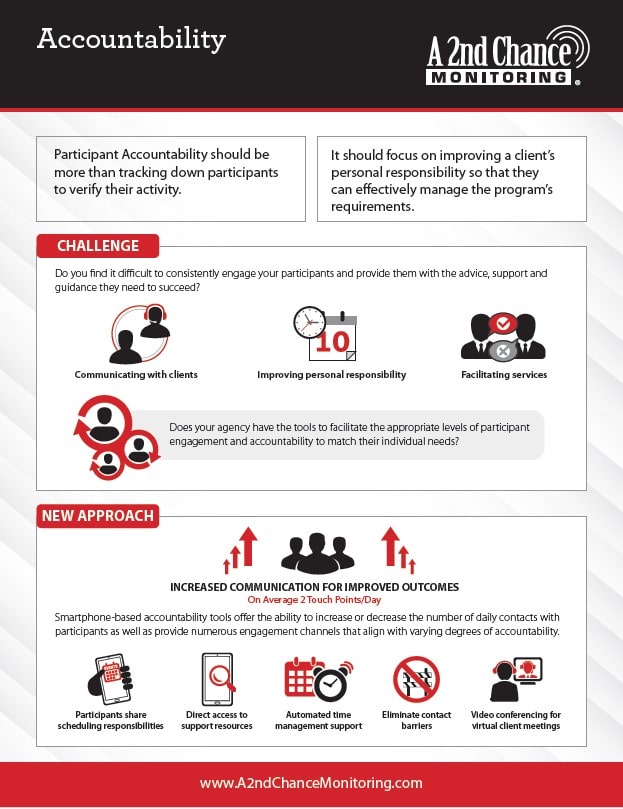
Think about other areas of life where accountability helps. Fitness apps that track your workouts. Budget tools that show where your money goes. Even something as simple as telling a friend about a goal makes you more likely to follow through.
Alcohol monitoring works the same way. It creates a checkpoint. A structure. A reason to pause before making a decision you might regret.
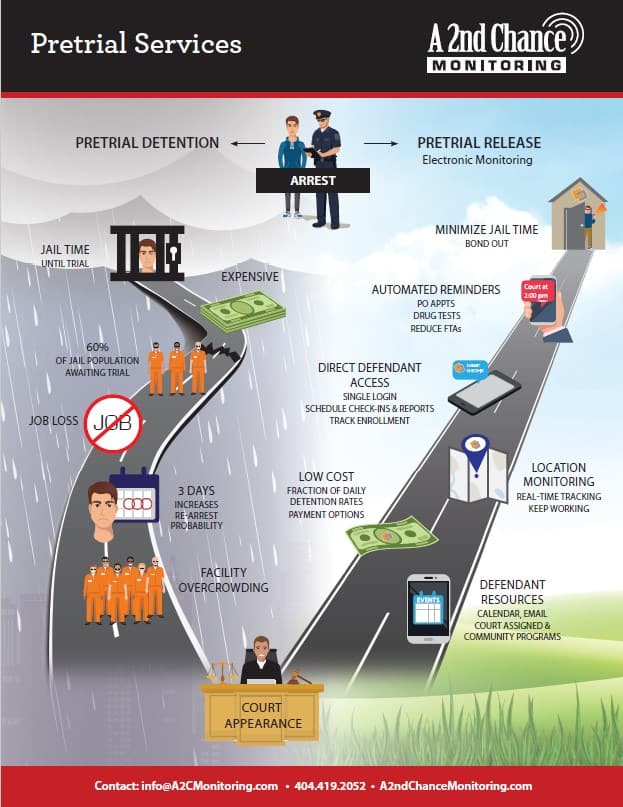
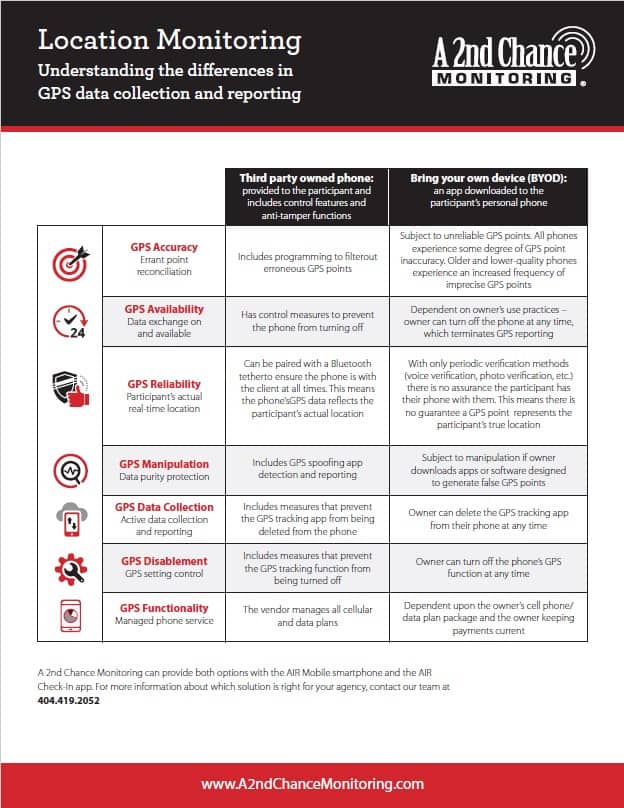
Modern alcohol monitoring technology has come a long way. Devices like Soberlink Remote Breath let you take a quick breath test from wherever you are. The results, along with a photo and GPS location, get sent to a secure system in real time. The SCRAM CAM bracelet offers 24/7 monitoring through your skin, so there’s no way to “drink around” scheduled tests.
For people in recovery, this kind of verification helps rebuild trust with family and loved ones. But you don’t have to be in a formal program to benefit. Anyone trying to change their drinking habits can use these tools as a guardrail during vulnerable moments.
If you’re curious about how it all works, A 2nd Chance Monitoring has a helpful FAQ page that answers the most common questions.
It’s Not Just a January Thing
Here’s something interesting: the “sober curious” movement isn’t limited to one month anymore.
People are taking breaks from alcohol at all different times of the year. Maybe it’s a dry August before a big vacation. A sober October to reset before the holidays. Or a few months off after realizing that weekend drinks had quietly become weeknight drinks.
Two-thirds of drinkers now say they plan to stop consuming alcohol for at least some period during the year. That’s a major shift from even a few years ago. And it suggests that Dry January is less of a standalone event and more of an entry point into a bigger conversation about how we want to live.
The tools that help people succeed in January work just as well in July. Alcohol monitoring services aren’t just for court orders or legal situations. They’re for anyone who wants an external structure to support an internal decision.
What Actually Helps People Succeed
If you’re in the middle of Dry January right now (or thinking about your own dry stretch later this year), here are a few things that tend to make a difference:
Tell someone. It sounds simple, but saying your goal out loud makes it more real. You’re no longer just making a private promise to yourself. You’ve got skin in the game.
Know your triggers. Is it Friday nights? Dinner parties? Stress at work? Once you identify the moments when you’re most tempted, you can plan around them instead of being caught off guard.
Replace the ritual. A lot of drinking is tied to habit, not craving. If you always pour a glass of wine while cooking dinner, find something else to put in your hand. Sparkling water. A mocktail. Tea. It sounds small, but it helps.
Build in accountability. This could be a friend, an app, or a formal monitoring program. The point is to have something outside yourself that keeps you connected to your goal, especially on the hard days.
Be kind to yourself. If you slip up, that doesn’t mean you failed. It means you’re human. The goal isn’t perfection. It’s progress.
When Willpower Isn’t Enough
Let’s talk honestly for a second. For some people, motivation alone isn’t going to cut it.
Maybe you’ve tried Dry January before and didn’t make it. Maybe you’ve noticed that your drinking has slowly crept up over the years, and you’re not sure how to pull it back. Or, maybe you’re dealing with a situation, like a custody case or a work issue, where you need documented proof that you’re staying sober.
In those cases, having a structured support system matters even more. A 2nd Chance Monitoring offers alcohol monitoring services designed for exactly these situations. Whether you’re navigating a legal requirement or simply want an extra layer of accountability for personal reasons, the technology exists to help.
With multiple locations across Georgia and Alabama, getting started is straightforward. And unlike willpower, the system doesn’t take days off.
The Bigger Picture
Dry January is a great starting point. But the real question isn’t whether you can make it 31 days. It’s what happens after.
Do you go back to your old habits on February 1? Or do you take what you learned and carry it forward?
The people who get the most out of Dry January are the ones who treat it as an experiment, not a finish line. They pay attention to how they feel without alcohol. They notice which situations were harder than expected. And, they think about what kind of relationship they want with drinking going forward.
And if they discover that having support helps them stay on track, they keep that support in place. Because Dry January accountability doesn’t have to end when the calendar changes. The tools work all year long.
If you’re ready to explore what that looks like for you, A 2nd Chance Monitoring is here to help.
About A 2nd Chance Monitoring
We believe everyone deserves a second chance. A 2nd Chance Monitoring provides alcohol monitoring, GPS tracking, and communication services to help individuals stay accountable while they navigate legal requirements or work toward personal goals.
With seven locations across Georgia and Alabama, our team offers professional support and reliable technology you can count on 24/7. Whether you’re fulfilling a court order or simply looking for structure during a difficult time, we’re here to help. Get in touch with us today.