One of the first questions people ask when they are fitted with an ankle monitor is whether they can shower, swim, or get the device wet. The short answer: most ankle monitors are water-resistant, not fully waterproof. Knowing the difference matters a lot. Getting it wrong can trigger a violation alert even when you did nothing intentionally wrong.
This article explains what GPS and alcohol monitoring devices can handle, what you should avoid, and how to protect yourself from accidental violations related to water.
Water-Resistant vs. Waterproof: Why the Difference Matters
Most modern ankle monitors are built to handle brief, everyday exposure to water. That includes showering and getting caught in rain. They are not designed to be submerged for extended periods, and many are not rated for swimming, hot tubs, or baths where the device sits under water.
Water-resistant means the device can handle splashes and short contact with water. Waterproof would mean the device can be submerged without damage. Most monitoring devices fall into the first category, not the second. Some devices carry an IP67 rating, which means they can withstand brief immersion in shallow water, but even those are not intended for pool use or prolonged water exposure.
The key issue is not just device damage. When a GPS signal is blocked by water or a device loses communication with its monitoring system, it can register as a tamper event. That alert goes to your supervising officer the same way a real violation would. You could face serious consequences for something that started as an innocent swim.
Can You Shower With an Ankle Monitor?
Yes. Showering is generally permitted with ankle monitors, and for devices like the SCRAM CAM alcohol monitoring bracelet, regular showering is actually required to keep the skin and the sensor area clean. The SCRAM CAM is designed to handle typical shower conditions.
A few things to keep in mind when showering:
- Pat the device and surrounding skin dry with a clean towel after showering. Do not leave moisture sitting against the device or your skin.
- If needed, use a blow dryer on a cool or low-heat setting to dry the area thoroughly.
- For SCRAM alcohol monitoring devices, avoid applying lotions, perfumes, or powders near the sensor window. These products can interfere with alcohol readings and may cause false alerts.
- Do not cover the device with a plastic bag or any wrap to keep it dry. Covering the device is detected as tampering and will trigger an alert, even if that was not your intent.
Can You Swim With an Ankle Monitor?
Swimming is a different situation from showering. In most cases, swimming is not permitted while wearing an ankle monitor, regardless of how water-resistant the device may be.
The reasons come down to three things. First, prolonged submersion can damage devices that are only rated for brief water contact. Second, chlorinated pool water and saltwater can corrode seals and connectors over time. Third, and most importantly from a compliance standpoint, an ankle monitor that loses its GPS signal underwater may register as a tamper event. That alert goes to your supervising officer with no automatic explanation attached.
Hot tubs carry the same risks as swimming pools. The SCRAM CAM bracelet explicitly prohibits submersion in pools, hot tubs, and bathtubs. Even devices rated as waterproof are typically not approved for recreational swimming without specific authorization.
If you want to swim for recreation or therapy, the right move is to ask your supervising officer first. Some programs will grant case-by-case permission for supervised water activities. Get that approval in writing if possible, and follow any specific instructions given for your device.
What About Rain, Wading, or Accidental Splashing?
Brief contact with water from rain, puddles, or splashing during normal activity is generally fine. These devices are designed with daily outdoor activity in mind. Getting caught in a rainstorm is not going to damage a properly functioning GPS or SCRAM device.
What you want to avoid is anything involving extended water contact, full submersion, or activities near large bodies of water where the device could end up underwater. Kayaking, wading in a lake or river, beach trips with ocean contact, and similar activities all carry risk and should be discussed with your supervising officer before you participate.
SCRAM CAM and Water: Specific Rules to Know
The SCRAM CAM bracelet used by A 2nd Chance Monitoring for alcohol monitoring has specific water rules. You can shower. You cannot submerge the device in a pool, hot tub, or bathtub. Keep the sensor window clean and free of skin products that could affect readings.
The SCRAM CAM sensor reads alcohol through the skin every 30 minutes. Moisture trapped between the sensor and your skin does not trigger a false alcohol reading on its own, but leaving the area consistently wet can lead to skin irritation and may affect reading quality over time. Keep the area clean and dry as part of your daily routine.
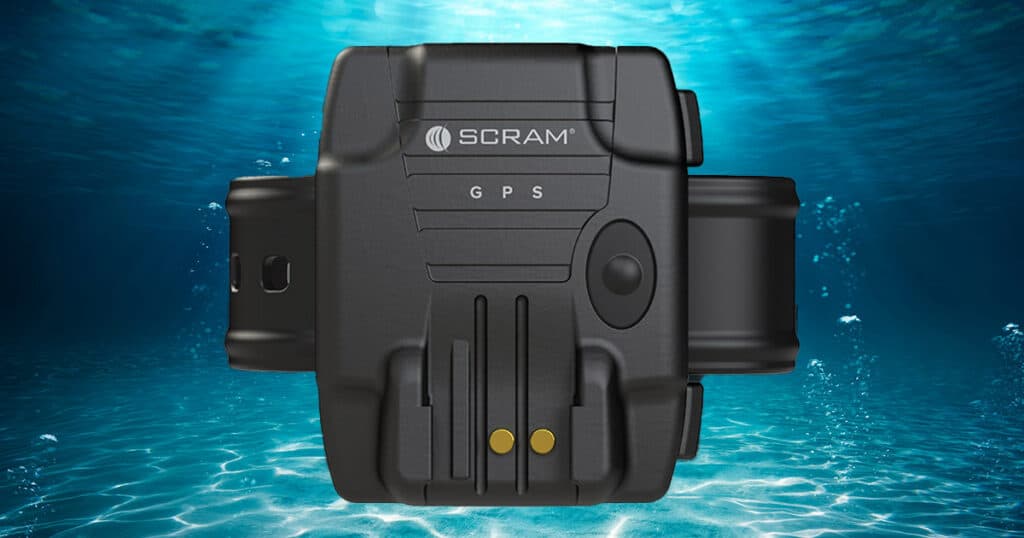
SCRAM GPS and Water
The SCRAM GPS device used for location monitoring is generally rated as waterproof, meaning it can handle more water exposure than a standard water-resistant device. However, the manufacturer still recommends against leaving it submerged for extended periods.
The device’s ability to handle water does not mean swimming is permitted. Your program’s conditions, set by the court and supervised by your supervising officer, govern what activities are allowed. Device capability and program rules are two different things.
What Happens If Your Device Gets Damaged by Water?
If your device is damaged by water or stops functioning properly, contact your monitoring provider immediately. Do not wait. A device that stops transmitting will generate an alert regardless of the cause. Reporting the issue right away demonstrates good faith and helps you avoid being treated as if you intentionally tampered with the device.
It is also worth knowing that the device is your responsibility while it is in your care. If damage results from avoidable water exposure, such as submersion in a pool or hot tub, you may be held responsible for the cost of repair or replacement.
A 2nd Chance Monitoring provides 24/7 support for enrolled clients. If you have questions about your specific device or are concerned about something that happened with water contact, reaching out as soon as possible is always the right call.
Quick Reference: Water Rules by Activity
Here is a general guide to common situations. Always confirm with your supervising officer, as rules can vary by program and device:
- Showering: Permitted. Pat dry after. No plastic wrapping. No skin products near the SCRAM sensor.
- Rain and light splashing: Generally fine. Brief water contact does not damage properly functioning devices.
- Bathtub: Not permitted. Sitting in a tub submerges the device.
- Swimming pool: Not permitted in most cases. Ask your supervising officer before attempting.
- Hot tub or jacuzzi: Not permitted. Heat and prolonged submersion damage devices and affect signals.
- Ocean, lake, or river: Discuss with your supervising officer before any activity involving open water.
- Kayaking, boating, water sports: Ask first. Risk of submersion is real even if you do not intend to get in the water.
Frequently Asked Questions About Ankle Monitors and Water
Are ankle monitors waterproof?
Can you shower with a SCRAM CAM bracelet?
What happens if my ankle monitor gets wet in a pool?
Can I cover my ankle monitor to protect it in water?
What should I do if my ankle monitor accidentally gets submerged?
Does water affect SCRAM alcohol monitoring readings?
Are clients responsible for water damage to their ankle monitor?
Yes. The device is your responsibility while it is in your care. If the monitor is damaged by water due to submersion, use in a pool or hot tub, or other avoidable exposure, you may be held responsible for the cost of repair or replacement. This is another reason why following the water rules for your specific device matters. When in doubt about an activity involving water, contact your supervising officer or A 2nd Chance Monitoring before you do it, not after.
Additional Common Questions About Ankle Monitors
About A 2nd Chance Monitoring
We believe everyone deserves a second chance. A 2nd Chance Monitoring provides alcohol monitoring, GPS tracking, and communication services to help individuals stay accountable while they navigate legal requirements or work toward personal goals. With multiple locations across Georgia and Alabama, our team offers professional support and reliable technology you can count on 24/7. Whether you’re fulfilling a court order or simply looking for structure during a difficult time, we’re here to help. Get in touch with us today.
The information in this article is provided for general educational purposes only and does not constitute legal advice. Device specifications, program rules, and monitoring conditions vary by jurisdiction and by individual court order. If you have specific questions about your monitoring conditions or your device, contact your supervising officer or a licensed attorney. A 2nd Chance Monitoring is not a law firm.