If you have been ordered to wear a SCRAM GPS device, you have probably looked it up and not found a lot of plain-language information about what it actually does and what daily life with it looks like.
Here is a straightforward breakdown of how the device works, what to know before it goes on, and what to watch for during the first few weeks.
What the SCRAM GPS Actually Is
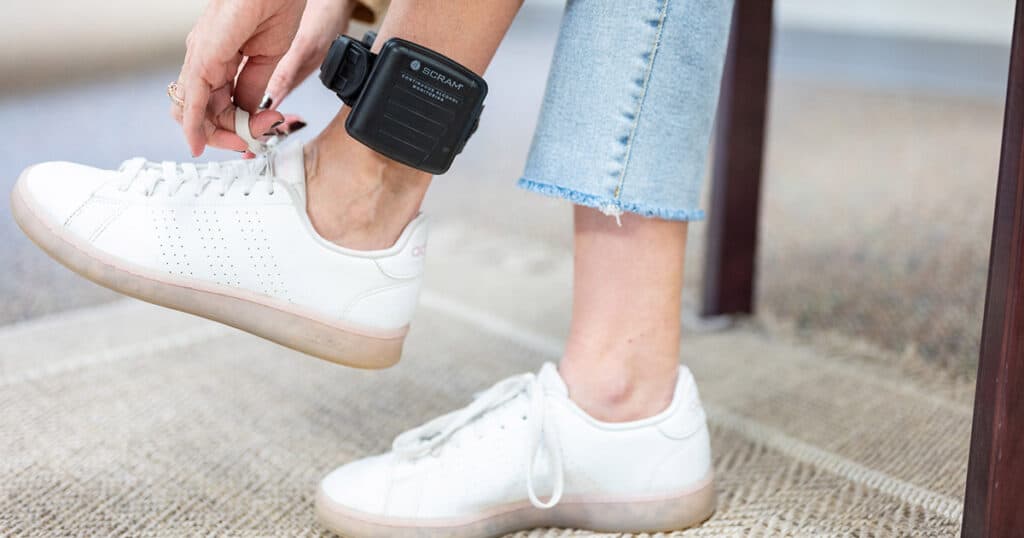
The SCRAM GPS is a one-piece GPS ankle monitoring device made by SCRAM Systems. It is worn on the ankle around the clock and tracks location using three different technologies working together: GPS satellites, assisted GPS, and cell tower triangulation.
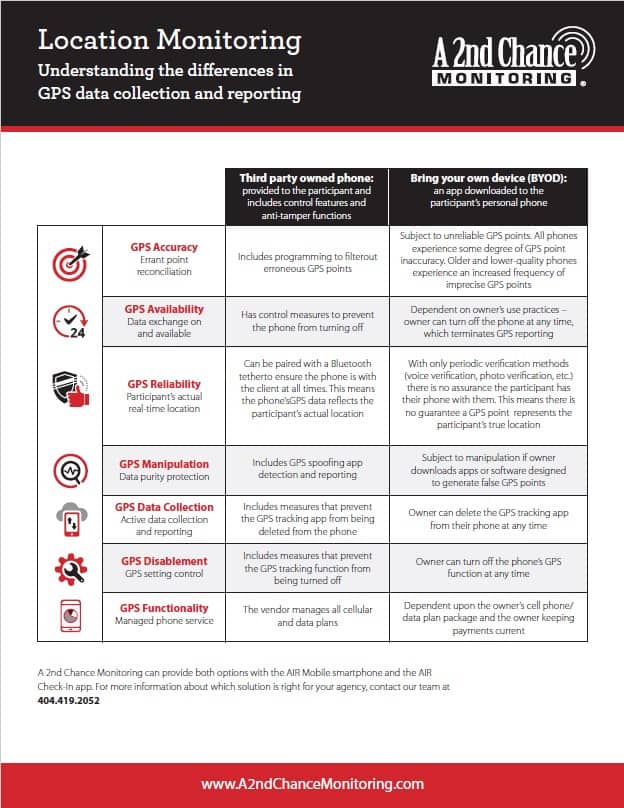
That combination matters because GPS alone has gaps. Dense buildings, parking garages, and certain indoor environments can interfere with the satellite signal. The cell tower and assisted GPS layers fill in those gaps so the device maintains coverage in most situations.
A 2nd Chance Monitoring uses the SCRAM GPS as part of its location monitoring services for clients ordered to electronic monitoring as a condition of their release.
Who Gets Assigned a SCRAM GPS?
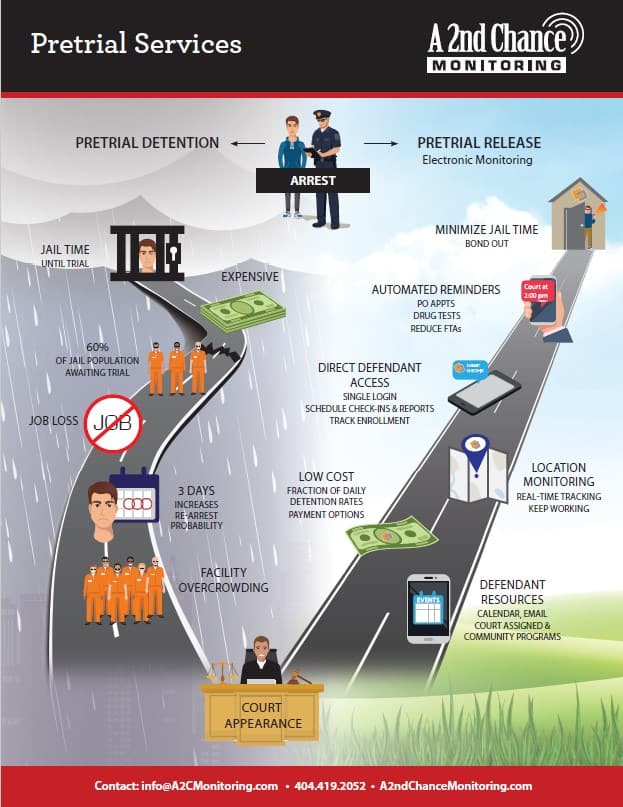
Courts order GPS monitoring for a range of situations. Most A 2nd Chance Monitoring clients are pretrial, meaning they have not been convicted of anything. The device allows them to remain in the community while their case moves through the court system.
The supervising officer and the judge overseeing the case determine whether GPS monitoring is required and which device is assigned. A 2nd Chance Monitoring works with courts and supervising officers across Georgia, Alabama, and Mississippi.
How It Tracks Location
The device pulls from GPS satellites first. When the satellite signal is limited, it falls back to assisted GPS and cell tower triangulation to maintain a location fix. Location data is transmitted to a monitoring platform where supervising officers can see location history, movement patterns, and zone compliance. If a client enters a restricted area or leaves an approved zone, an alert is generated automatically.
One thing people often ask about: GPS ankle monitors track location and movement only. They do not record conversations, phone calls, or any other personal data. The device is a location tool, not a listening device.
How It Gets Installed
Tool-free installation. The device can be fitted in about 30 seconds. Most installs happen at the facility where the client is being processed for release. The strap is adjustable and hypoallergenic, with a wider design that helps distribute weight across the leg rather than concentrating pressure at one point.
Tamper Detection
The SCRAM GPS uses a backplate system. The backplate locks the strap in place, and breaking it is the only way to remove the strap. If the backplate is removed or the strap is cut, an alert goes to the monitoring center immediately.
Do not attempt to cut, modify, or remove the device for any reason. If the fit is uncomfortable, call A 2nd Chance Monitoring. There is a proper process for addressing fit issues that does not put you at risk of a violation.
Charging
The battery is internal and rechargeable, charging via a standard wall outlet. Your supervising officer or A 2nd Chance Monitoring will give you specific instructions on how often and how long to charge.
Missing charges is one of the most common early compliance problems, and almost entirely preventable. A dead or low battery generates an alert that goes directly to your supervising officer. Pick a consistent charging window, stick to it, and if the charger stops working, call us right away rather than waiting until you miss a charge.
Is It Waterproof?
Yes. The SCRAM GPS is waterproof and built for continuous daily wear. Showering is fine. Baths and swimming are a different question. Avoid extended submersion unless your supervising officer has specifically confirmed it is permitted. When in doubt, ask rather than assume.
What Triggers an Alert?
- Zone alerts: you went outside an approved area or into a restricted one
- Low battery alerts: battery dropped below the threshold
- Signal loss alerts: device lost GPS or cellular connection for an extended period
- Tamper alerts: backplate removal or strap damage detected
Not every alert is a violation. Signal loss in a hospital, basement, or dense office building is common and does not automatically mean non-compliance. If you spend regular time somewhere with known signal problems, tell your supervising officer upfront so it is on record before an alert ever comes in.
Frequently Asked Questions
Can I shower with the SCRAM GPS?
What if I accidentally leave my approved zone?
How does SCRAM GPS compare to the Omnilink OM500?
What if there is a problem with the device?
Does A 2nd Chance Monitoring use the SCRAM GPS?
About A 2nd Chance Monitoring
We believe everyone deserves a second chance. A 2nd Chance Monitoring provides alcohol monitoring, GPS tracking, and communication services to help individuals stay accountable while they navigate legal requirements or work toward personal goals. With multiple locations across Georgia, Alabama, and Mississippi, our team offers professional support and reliable technology you can count on 24/7. Whether you’re fulfilling a court order or simply looking for structure during a difficult time, we’re here to help. Get in touch with us today.
The information in this article is provided for general educational purposes only and does not constitute legal advice. Monitoring requirements, device conditions, and supervision rules are governed by individual court orders and the instructions of your supervising officer. Always follow the specific instructions provided by your supervising officer and the court overseeing your case. A 2nd Chance Monitoring provides electronic monitoring services and does not provide legal representation or legal advice.