Nobody tells you what the first month actually looks like.
You leave with a device on your ankle and a set of conditions you may or may not fully understand yet. The charging routine is new. The zone restrictions are new. Sleeping with something strapped to your leg is new. And on top of all that, people in your life are going to have questions.
The anxiety around monitoring usually comes from not knowing what is normal. This guide covers what the first 30 days actually look like, so you can walk in prepared instead of figuring things out as problems come up.
The First 48 Hours
The device will feel noticeable at first. Most people find that it fades within a few days. The first 48 hours are really just about getting your bearings.
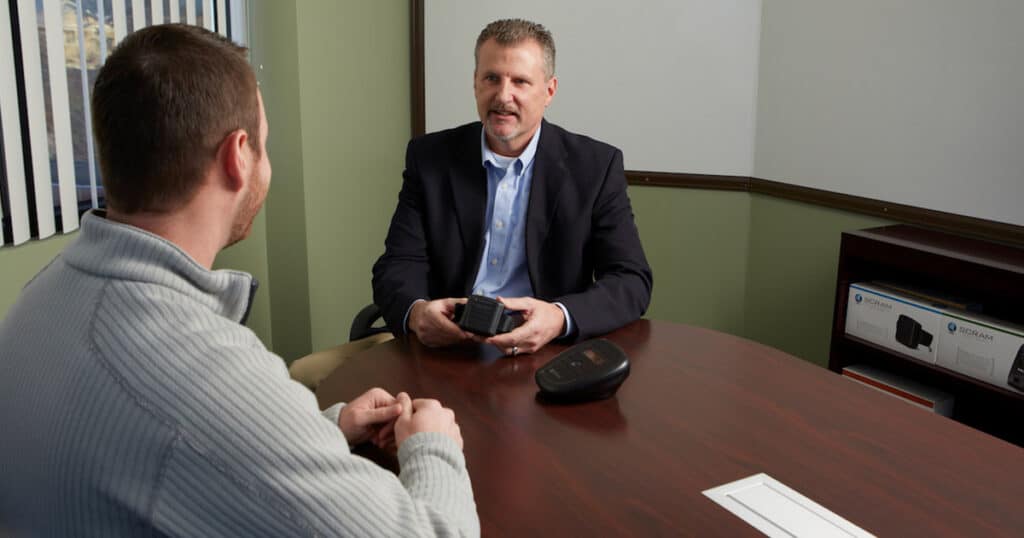
Before you leave the facility where the device was fitted, make sure you leave with clear answers to these questions:
- What are my approved zones, and what hours am I allowed to be outside my home?
- What is my charging schedule, and how long does a full charge take?
- What number do I call if something goes wrong with the device?
- Who is my supervising officer, and how do I reach them?
- Are there any immediate restrictions on travel, work, or specific activities?
Write it down. Do not count on remembering it later. The first violation most people run into is not intentional. It usually happens because something was unclear and they did not ask.
Getting Used to the Device
It is worn 24 hours a day. That means showering with it, sleeping with it, and going to work with it. The device is water-resistant, so showering is fine. Baths and swimming are a different story. Avoid extended submersion unless your supervising officer has specifically said it is permitted under your conditions.
Sleeping takes a few nights to adjust. Some people wear loose pants. Some put a pillow near the ankle. It gets easier faster than most people expect.
One thing that helps with the mental side of it: GPS ankle monitors track location and movement only. They do not record conversations or phone calls. Knowing that tends to reduce some of the stress people feel in the first few days.
Charging: The One Habit That Actually Matters
Low battery alerts are one of the most common compliance issues in the first month. Almost all of them are preventable. The device needs to be charged on a consistent schedule, and a dead battery generates an alert that goes straight to your supervising officer.
Battery life and charging frequency vary by device. Your supervising officer or A 2nd Chance Monitoring will give you the specific requirements for your device. Whatever those instructions say, follow them exactly.
A few things that help in practice:
- Charge at the same time every day, the same way you charge a phone
- Pick a consistent window when you are sitting still, like in the evening at home
- Keep your charging equipment in the same spot so you are not hunting for it
- If the charger stops working, call A 2nd Chance Monitoring right away. Do not wait until you miss a charge and have to explain it
Your Zone Restrictions
Your zones are based on the conditions set in your bond order or by your supervising officer, depending on how your monitoring was ordered. Most people have an approved home area and scheduled windows for work, appointments, and other approved activities. If you are unsure what your specific conditions allow, review your bond order or contact A 2nd Chance Monitoring.
If you are not sure whether a specific location is within your approved zone, ask your supervising officer before you go. Not after. Once an alert has fired, you are already explaining yourself. Asking first keeps it simple.
Zones can be adjusted if your circumstances change. New job, different work hours, a medical appointment outside normal windows. Contact your supervising officer as soon as you know about the change and request a modification before the situation creates a problem.
What Triggers Alerts and How to Avoid the Preventable Ones
An alert is not automatically a violation. It is a flag that gets sent to your supervising officer for review. Some alerts are serious. Others have straightforward explanations. Understanding the difference helps.
Zone Alerts
You went somewhere outside your approved area. These are the most significant alerts and are almost always avoidable. Know your boundaries. Ask before you go somewhere new.
Low Battery Alerts
The battery dropped below the threshold. Entirely preventable with consistent charging. If this happens, charge immediately and contact your supervising officer.
Signal Loss Alerts
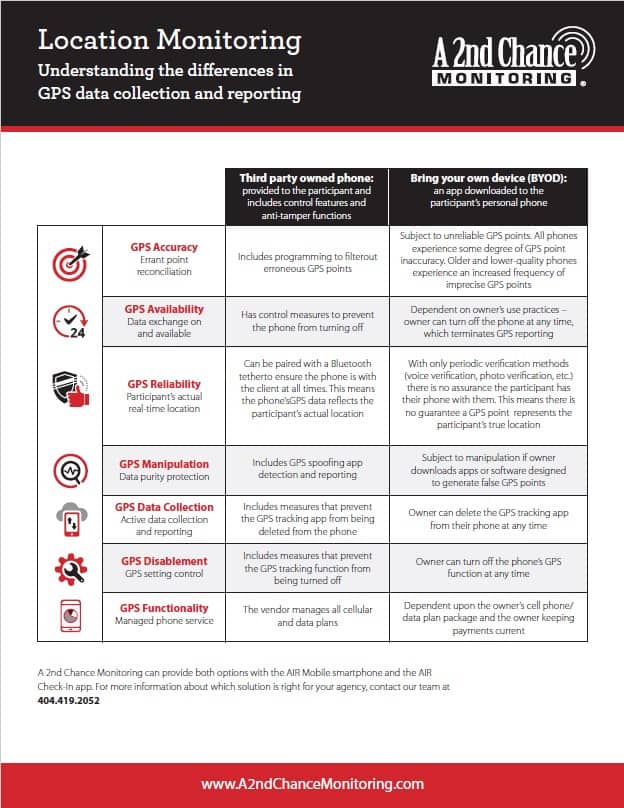
The device lost GPS or cellular signal for an extended period. This happens in parking garages, basements, dense buildings, and hospitals. Most devices also use Wi-Fi as a backup location method, which helps fill in gaps where GPS and cellular are limited. Signal loss is not automatically treated as a violation. If you work or spend regular time in a place with known signal problems, tell your supervising officer or A 2nd Chance Monitoring upfront so it is on record before an alert ever comes in.
Tamper Alerts
The device detected that the strap was compromised. Do not attempt to adjust, cut, or modify the device for any reason. If the fit is uncomfortable, call A 2nd Chance Monitoring. There is a process for addressing it that does not put you at risk.
Dealing With Questions From People Around You
What you tell people is your business. You are not required to explain it to anyone except your supervising officer and the court.
For family members in your home, a short conversation early on saves confusion later. People who live with you can accidentally affect your compliance without realizing it. Getting them up to speed in week one avoids problems in weeks two, three, and four.
How to Actually Stay Compliant
The people who have the smoothest first month are the ones who treat compliance like a non-negotiable from day one. A few things that make a real difference:
- Ask your supervising officer before you act, not after something has already happened
- Treat charging, check-ins, and reporting requirements as fixed obligations, not suggestions
- If something unexpected happens, call your supervising officer and A 2nd Chance Monitoring right away, and document what occurred
- Do not assume an alert went unnoticed. Address it before someone has to come to you
A 2nd Chance Monitoring is available around the clock. If something comes up at 2am and you are not sure what to do, call us. Getting ahead of a problem is almost always better than explaining it after the fact.
What the Second Month Looks Like
By the end of the first month, most people have settled into a routine. The device is just part of the day now. Charging is automatic. The zone boundaries are familiar.
How the first month goes tends to set the tone for everything that follows. A clean first month builds a track record. It tells the court and your supervising officer that you are taking the conditions seriously. That matters if your case is reviewed or if something unexpected comes up later.
Keep the routine going. Contact A 2nd Chance Monitoring anytime you need support.
Frequently Asked Questions
How long before wearing the device feels normal?
What if I accidentally go outside my approved zone?
Can I sleep with it on?
What if the device is causing skin irritation or discomfort?
Who do I call if I have a question during the first month?
About A 2nd Chance Monitoring
We believe everyone deserves a second chance. A 2nd Chance Monitoring provides alcohol monitoring, GPS tracking, and communication services to help individuals stay accountable while they navigate legal requirements or work toward personal goals. With multiple locations across Georgia, Alabama, and Mississippi, our team offers professional support and reliable technology you can count on 24/7. Whether you’re fulfilling a court order or simply looking for structure during a difficult time, we’re here to help. Get in touch with us today.
The information in this article is provided for general educational purposes only and does not constitute legal advice. Monitoring requirements, device conditions, zone restrictions, and supervision rules are governed by individual court orders and the instructions of your supervising officer. Always follow the specific instructions provided by your supervising officer and the court overseeing your case. A 2nd Chance Monitoring provides electronic monitoring services and does not provide legal representation or legal advice.