If you have been required to use remote alcohol testing as a condition of your release, a custody agreement, or a recovery program, you probably have questions.
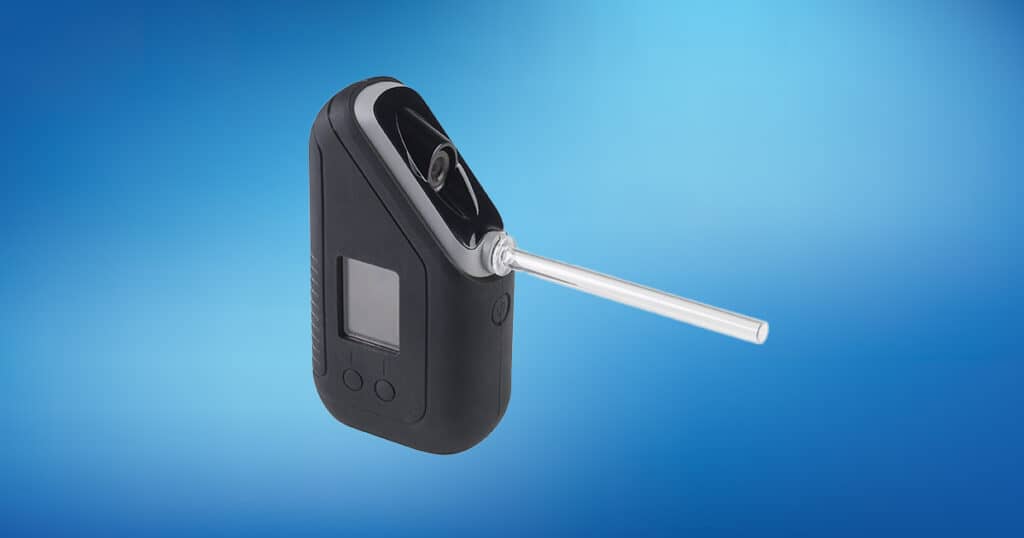
One of the most common devices used for this type of monitoring is Soberlink, a portable breathalyzer that sends results wirelessly to your supervising officer or monitoring program. What does the device actually do? How does the testing schedule work? What happens if a test is missed?
This article explains Soberlink in plain language so you know what to expect before your first test.
What Is Soberlink?
Soberlink is a professional-grade remote breath alcohol testing device. It uses a fuel cell sensor, the same type used by law enforcement, to measure blood alcohol concentration from a breath sample. Results are transmitted wirelessly and automatically to a secure monitoring system that designated parties can access.
Unlike a standard breathalyzer, Soberlink is designed specifically for ongoing, scheduled monitoring. It is portable, discreet, and built around accountability rather than one-time testing. A 2nd Chance Monitoring offers Soberlink as part of its alcohol monitoring services.
Who Uses Soberlink?
Soberlink is used in a range of situations. Courts may order it as a condition of release for individuals with alcohol-related charges or concerns. Family law courts use it in custody cases where alcohol use is at issue. Treatment programs incorporate it as an accountability tool for clients working through recovery. Some individuals also choose Soberlink voluntarily to document sobriety and rebuild trust.
How Does the Testing Schedule Work?
Testing schedules are set by the monitoring program based on the requirements of the court order or program agreement. Some programs require testing multiple times per day. Others require testing at scheduled windows, such as morning and evening. Soberlink sends reminders before each scheduled test.
Your supervising officer or program coordinator will explain your specific schedule when you are enrolled. Follow that schedule exactly.
How Does Soberlink Verify Identity?
When you take a test, the device’s built-in camera captures an image of you at the moment of testing. That image is processed using facial recognition technology to confirm that the correct person is taking the test. This prevents someone else from submitting a test on your behalf. If identity cannot be confirmed, designated contacts, including your supervising officer, may receive a notification.
How Are Results Reported?
As soon as a test is completed, the result is transmitted wirelessly to the Soberlink monitoring system. Results are time-stamped, linked to the identity verification image, and stored in a secure database.
Designated monitoring parties, which may include your supervising officer or other contacts specified in your agreement, receive notification of results. If alcohol is detected, alerts go out immediately. Negative tests build a documented record of compliance over time. Results are court-admissible and have been used in legal proceedings across the United States.
What Happens If a Test Is Missed?
A missed test is recorded in the system. Depending on your monitoring agreement and court order, a missed test may be treated similarly to a failed test. Repeated missed tests can escalate to your supervising officer and potentially affect your conditions of release.
If you cannot take a test due to a technical issue or legitimate reason, contact your supervising officer and A 2nd Chance Monitoring immediately. Document the situation. If you missed a test, A 2nd Chance Monitoring recommends taking the test as soon as possible after the missed window. Proactive communication is key. Reaching out before your supervising officer follows up makes a significant difference in how a missed test is handled.
What Happens If a Test Result Shows Alcohol?
Your supervising officer will be notified. What happens next depends on the terms of your court order or monitoring agreement. Possible outcomes include a follow-up conversation with your supervising officer, a modification to your conditions of release, or a report to the judge overseeing your case.
If you believe a result is inaccurate, contact your attorney. Questions about specific results should be addressed with legal counsel.
What Does Tamper Detection Mean?
Soberlink has multiple built-in safeguards that can identify whether the breath sample is consistent with human breath or whether something is interfering with the test. The facial recognition component ensures the right person is testing. Attempting to alter, delay, or circumvent a Soberlink test is treated as a serious violation of monitoring conditions.
How Does Soberlink Differ From a SCRAM CAM Bracelet?
SCRAM CAM is worn continuously on the ankle and tests for alcohol through the skin using transdermal technology, monitoring 24 hours a day without requiring active tests. Soberlink is a handheld device used at scheduled intervals that requires the wearer to blow into the device at set times. Courts choose between them based on the requirements of the individual case and the monitoring program.
Frequently Asked Questions
How often do I have to test with Soberlink?
What if I test positive by mistake due to mouthwash or food?
Can I take my Soberlink device when I travel?
What if my device stops working?
Are Soberlink results used in court?
About A 2nd Chance Monitoring
We believe everyone deserves a second chance. A 2nd Chance Monitoring provides alcohol monitoring, GPS tracking, and communication services to help individuals stay accountable while they navigate legal requirements or work toward personal goals. With multiple locations across Georgia, Alabama, and Mississippi, our team offers professional support and reliable technology you can count on 24/7. Whether you’re fulfilling a court order or simply looking for structure during a difficult time, we’re here to help. Get in touch with us today.
The information in this article is provided for general educational purposes only and does not constitute legal advice. Monitoring requirements and the consequences of missed or failed tests are governed by individual court orders and program agreements. Always follow the specific instructions provided by your supervising officer and the terms of your monitoring agreement. A 2nd Chance Monitoring provides electronic monitoring services and does not provide legal representation or legal advice.